passed

Is PAT Testing a Legal Requirement in the UK?

If you manage a workplace, run a business, or let out property, this is one of the most important questions around PAT testing to understand properly.

So, is PAT testing a legal requirement in the UK?

The short answer is no – PAT testing is not a specific legal requirement by name under UK law. However, UK law requires that all electrical equipment and electrical appliances be properly maintained to prevent danger.

That distinction is important.

PAT testing is not written into law directly. Still, it is widely used as the most practical way to meet your electrical safety obligations.

Key Takeaways

  • PAT testing is not a legal requirement in the UK
  • There is an obligation under law to maintain the safe use of electrical equipment.
  • Although PAT testing has become a commonly accepted way to demonstrate compliance with obligations under law, there is no specific law that makes PAT testing obligatory.
  • Testing frequency should be based on risk assessments.
  • Using regular PAT testing can help avoid electrical accidents.

What Does “PAT Testing a Legal Requirement” Actually Mean?

Generally, when someone searches for “is PAT testing a legal obligation”, they want to know what the law is looking for.

The reality is simple:

  • No law specifically requires PAT testing
  • Some laws require electrical safety

However, the responsibility behind PAT testing for electrical safety absolutely is.

The Legal Position – What UK Law Actually Says

Several major health and safety legislation applies as follows:

These will collectively impose a clear legal obligation.

👉 You must ensure electrical equipment is safe, properly maintained, and does not present a safety risk.

So Is PAT Testing a Legal Requirement?

Let’s answer this clearly.

  • PAT testing is not a legal requirement in the UK.
  • But ensuring electrical equipment is safe is a legal requirement.

PAT testing is simply the most common way to demonstrate this.

Click here: What is PAT Testing? to find out more about PAT Testing as a whole.

HSE PAT Testing Requirements Explained

A risk-based approach is promoted by the HSE. This means inspection and testing should depend on:

  • Type of electrical equipment used
  • How frequently the equipment is used
  • Where the equipment is used (construction site vs office, etc.)
  • Past test results

Visual inspections in low risk environments may be sufficient.

More frequent testing in high-risk environments is required.

People Also Ask

Do I legally need PAT testing for my business?

No, there is no legal requirement to get your business PAT tested. All businesses must ensure their electrical equipment is safe. PAT testing is the most widely used method of demonstrating this.

What happens if I don't PAT test my equipment?

If your electrical equipment fails to meet maintenance requirements and subsequently contributes to an accident, then there could potentially be a case made against you in law, your insurance claim may be denied, and you may breach your health and safety responsibilities.

Is PAT testing required every year?

PAT testing of electrical equipment is not legally mandatory on an annual basis; however, it will depend upon your specific risk assessment of the equipment, its type, and use or exposure.

Does HSE require PAT testing?

HSE has indicated that while PAT testing is one method to ensure safe operation of electrical equipment, they have not mandated that PAT testing must be conducted. They do expect that all electrical equipment will be maintained so as to prevent hazards.

Can I be fined for not PAT testing?

While failing to comply with PAT testing regulations is not punishable by fines alone, if your failure to properly maintain electrical safety results in harm to another person, you may incur significant financial penalties.

Do Businesses Need PAT Testing?

Not every business needs the same level of testing.

However, every business must:

  • Maintain electrical equipment
  • Ensure safety compliance
  • Prevent electrical hazards

PAT testing helps achieve all of this in a structured and documented way.

Why PAT Testing Is Still Widely Used

PAT testing remains common because it is practical.

It includes:

  • Visual inspections
  • Formal visual inspection
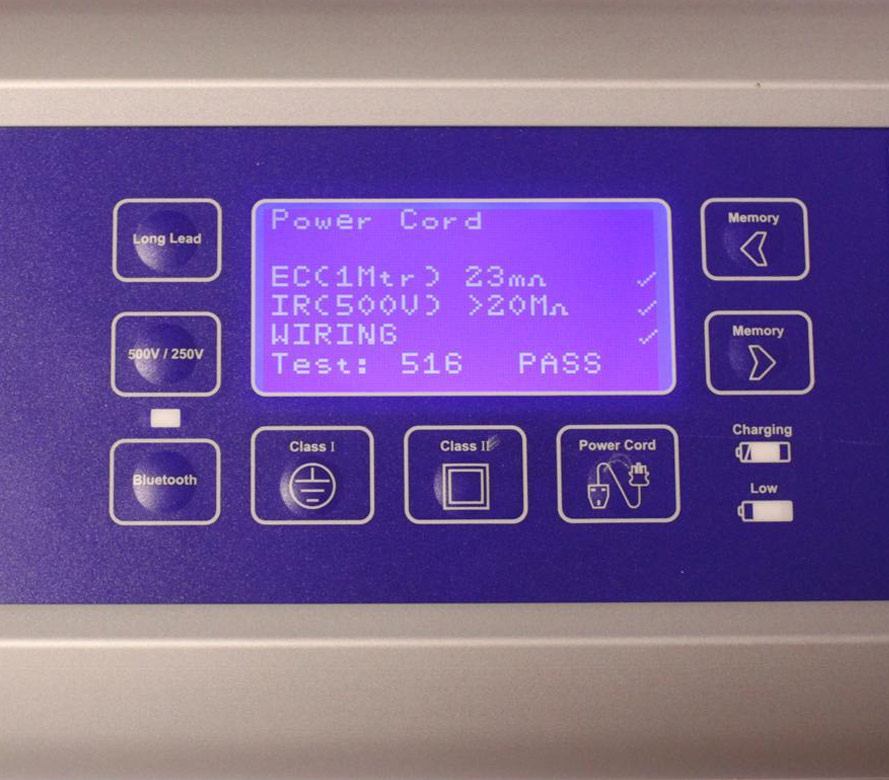
  • Electrical tests using a PAT tester
  • Recording test results
  • Identifying faulty equipment

This helps detect electrical faults early and reduce risk.

PAT testing helps prevent:

  • Electrical accidents
  • Electric shock
  • Electrical fires
Low risk inspection and testing

How PAT Testing Helps Prevent Electrical Accidents

PAT testing helps identify electrical defects before they become dangerous.

It helps to:

  • Detect faulty wiring and damaged cables
  • Reduce the risk of electrical fires
  • Prevent electric shock
  • Identify faulty equipment early

Faulty appliances are a major cause of workplace incidents. Regular PAT testing helps reduce that risk significantly.

Who Is Responsible?

Responsibility sits with the duty holder.

This is usually:

  • Employer
  • Landlord
  • Business owner

They must ensure all electrical equipment provided is safe and properly maintained.

Do You Need a Qualified Electrician?

No.

PAT testing must be carried out by a competent person, not necessarily a qualified electrician.

Competence means:

  • Having the right knowledge
  • Understanding testing procedures
  • Being able to interpret test results
Low risk inspection and testing

Competence and PAT Testing

A competent person should know:

  • The PAT testing guidelines;
  • electrical safety regulations;
  • How to visually inspect electrical appliances;
  • and how to test electrical appliances using various test methods;

It is advisable that a competent person complete training before performing a PAT test so that the testing process can be done safely as well as correctly.

PAT Testing and Landlord Responsibilities

The landlord has a legal responsibility for the health, safety and welfare of tenants. There are two relevant Acts:

  • Landlord and Tenant Act 1985
  • Electrical Safety Standards in the Private Rented Sector (England) Regulations 2020

All electrical equipment that landlords provide must be safe when it is given to the tenant, and it will continue to be safe.

In the UK, PAT testing is often used by landlords as proof that their equipment meets these requirements.

How Often Should PAT Testing Be Done?

There is no fixed legal schedule.

PAT testing frequency should be based on risk assessments.

PAT Testing Frequency Explained

  • Frequency of testing in low-risk environments (less frequent)
  • Frequency of testing in high-risk environments (more frequent)
  • Testing at construction sites can be very frequent

As a general guide:

  • Class I appliances – every 1–2 years
  • Visual inspections – more frequently
  • Harsh environments – more frequent testing

Regular visual inspections between PAT tests are essential.

Why Regular PAT Testing Matters

Regular PAT testing helps:

  • Maintain electrical safety
  • Extend equipment lifespan
  • Prevent costly failures
  • Ensure compliance

It also demonstrates that equipment is regularly inspected and properly maintained.

Low risk inspection and testing

What Happens If You Do Nothing?

Failing to maintain equipment increases risk.

This can lead to:

  • Electrical hazards
  • Electrical safety defects
  • Legal issues
  • Increased safety risk

Without records or test results, proving due diligence becomes difficult.

The Common Myth Around PAT Testing Law UK

Many believe PAT testing is legally required every year.

This is incorrect.

The law requires safety, not a specific testing schedule.

The Practical Answer for Businesses

  • PAT testing is not a legal requirement
  • Electrical safety is a legal requirement
  • PAT testing is the easiest way to demonstrate compliance
  • Higher risk means more frequent testing

Final Answer

So, is PAT testing a legal requirement in the UK?

No.

But maintaining electrical equipment safely is.

PAT testing is the most widely recognised way to meet that responsibility.

Straightforward, Practical PAT Testing

At Redlander PAT Testing, we keep things simple.

  • Competent, experienced PAT testers
  • Testing carried out in line with recognised guidance
  • Clear records and test results
  • Minimal disruption
  • Transparent pricing

No jargon. Just straightforward electrical safety.

Get Advice

If you’re unsure what applies to your business, we’ll guide you clearly.

Get in touch today and make sure your electrical equipment is safe, compliant, and properly maintained.

AVAILABLE THROUGHOUT THE MIDLANDS AND BEYOND

Group-56.svg
Group-4.png

GET IN TOUCH

Fill in the form below
West Brom

What is PAT Testing?

You may have heard of PAT testing if you own/run a business, or if you work in an office or rental property. But what does it mean? Do I really need to get my appliances tested?

Portable Appliance Testing (PAT) is essentially testing electrical appliances/equipment that can move around to ensure it’s safe to use. It is a key element of any Health & Safety strategy. And it will help prevent electrical accidents due to faulty electrical equipment.

PAT testing is simply the identification of potential faults on electrical appliances through testing to keep people safe.

This Guide will explain PAT testing, including: What PAT testing entails, what electrical appliances require PAT testing, when and how frequently PAT testing should occur and your Legal Obligations.

Key Takeaways

  • PAT testing checks that electrical appliances are safe to use
  • It combines visual inspection and electrical testing
  • It is not a legal requirement, but safety is
  • Testing frequency depends on risk
  • It helps prevent electrical accidents and ensures compliance

What is PAT Testing in Simple Terms?

PAT testing is an electrical safety test to check that all electrical equipment is used safely. The testing includes:

  • A visual examination of the electrical item (appliance), its cable and plug
  • Using a PAT tester for electrical tests
  • The labelling of results and documentation.

Landlords, business owners and organisations use PAT testing to find faults in their electrical appliances, reduce the risks associated with them and as evidence of compliance with electrical safety regulations.

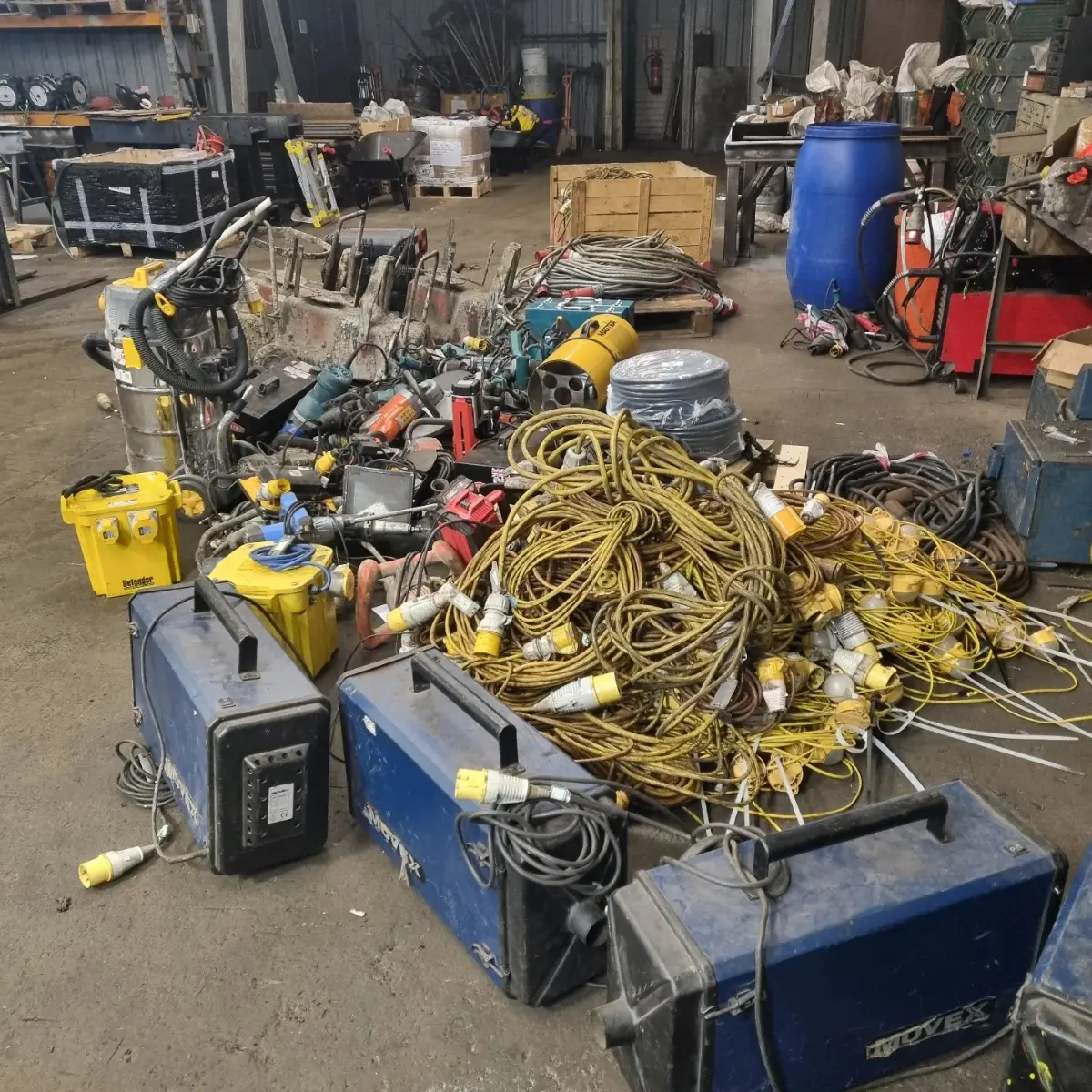
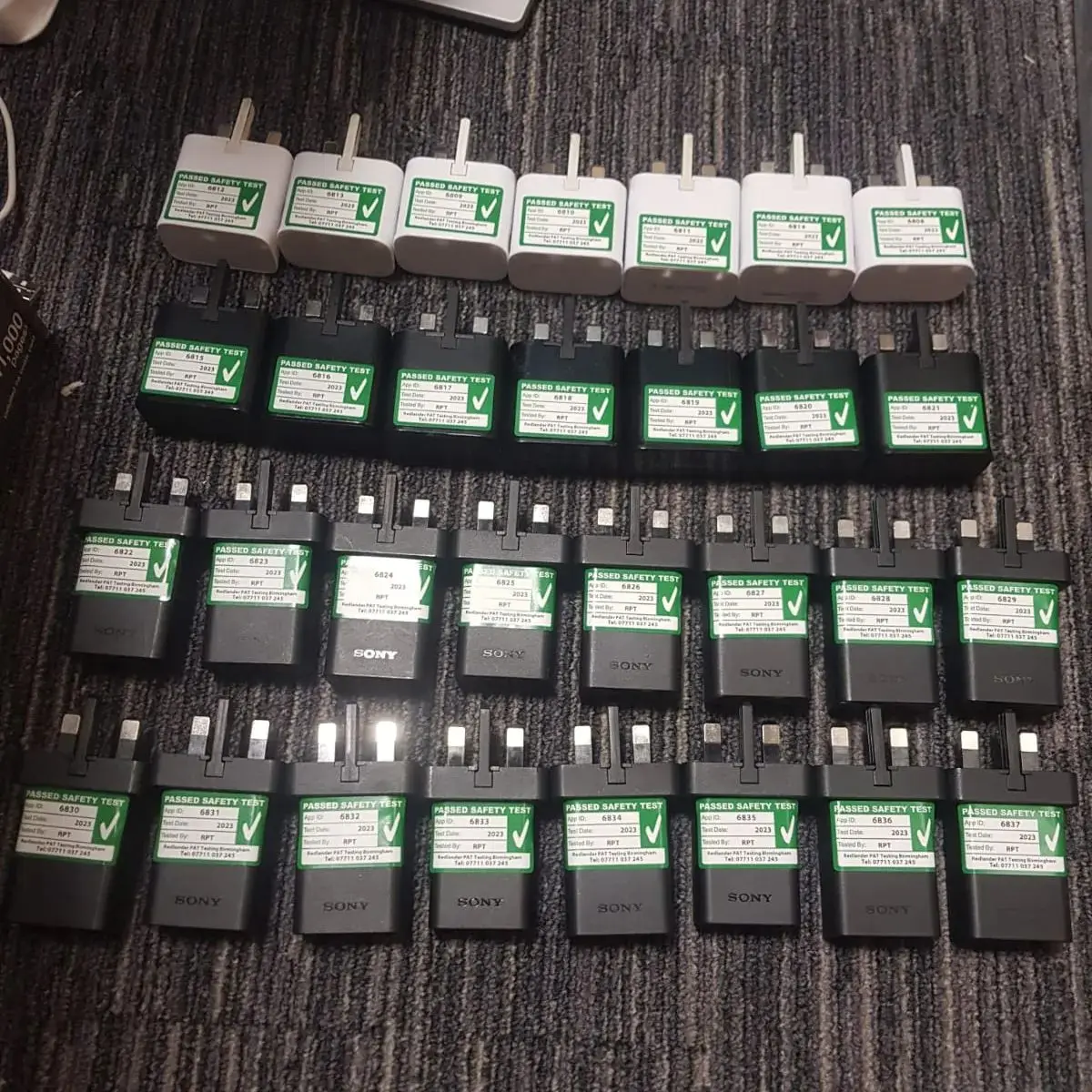
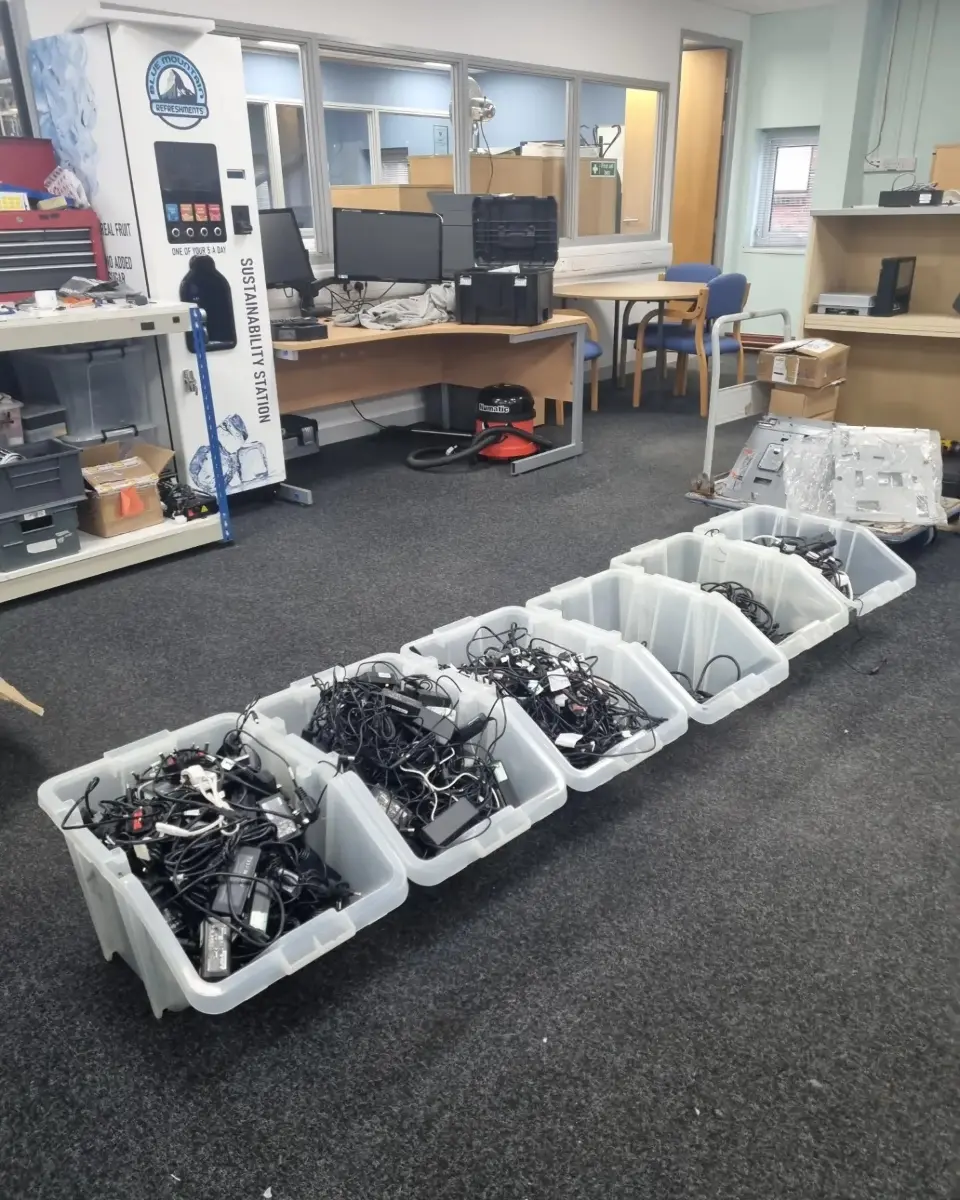
A large amount of electrical equipment waiting to be tested

What Does PAT Testing Stand For?

PAT testing stands for Portable Appliance Testing.

  • Portable – equipment that can be moved
  • Appliance – any electrical item
  • Testing – inspection and electrical checks

It refers to the inspection and testing of portable electrical appliances to ensure they are safe.

PAT Testing Explained

PAT testing is a method for inspecting and testing portable electrical equipment to assess whether it remains in good condition and is therefore safe.

Portable electrical equipment can include all types of electrically-powered items, including laptop computers, kettles, vacuum cleaners, mobile telephones, cordless drills, hand sanders, etc. All have three things in common:

  • They have a plug.
  • Connects to an electrical supply
  • They can be moved from one location to another

PAT testing has a single purpose:

👉 Identify potential hazards in electrical appliances prior to someone being harmed

This is done through a combined inspection process that includes:

  • User checks
  • A formal visual inspection
  • Electrical testing using PAT testing equipment

Together, these steps ensure that electrical appliances are safe and suitable for continued use.

What Counts as Portable Electrical Equipment?

Portable electrical equipment covers a wide range of items used in homes, workplaces, and commercial environments.

Common examples include:

  • It Equipment: Laptops & Desktop Computers
  • Appliances for kitchen use: Kettles, Microwaves, Vending Machines, etc…
  • Cleaning Equipment: Vacuum Cleaners, etc…
  • Heating Devices: Portable Heaters, Fans, etc…
  • Construction and Maintenance Power Tools: Drills, Sanders, Generators, etc…
  • Adaptors & Extensions Leads
  • Mobile Phone Chargers & Equipment
  • Washing Machines & Other Portable Electrical Appliances

Typically; If an item can be moved and has the ability to plug into the mains, then this would be classified as portable electrical equipment.

Fixed electrical installations – such as hard-wired ovens or built-in hand dryers – are not classed as portable appliances and fall under different inspection requirements.

Inspection and testing in an office

Why PAT Testing is Important for Electrical Safety

Faulty electrical equipment is one of the most common causes of workplace accidents in the United Kingdom.

Many people are unaware that there are numerous types of electrical safety defects which may be present when an appliance or piece of equipment fails.

For example, some faults may result in:

  • An electric shock
  • Electrical fire
  • Failure of equipment
  • Disruption to business

PAT testing plays a key role in preventing these problems, and by having regular inspections and tests on your equipment, it will help you will:

  • Prevent faulty equipment from causing failures.
  • Help to ensure that all of your portable appliances are working effectively.
  • Reduce your chance of having an electrical accident and keep the electrical equipment used in your business safe for everyone.

PAT testing is not just about compliance – it is about protecting people, property and operations.

What Does PAT Testing Involve?

PAT testing involves a structured process carried out by a competent person using appropriate test instruments.

It is often referred to as portable appliance testing PAT, and it includes three main stages.

User Inspections and Checks

The user inspection is a very basic check of an appliance to identify obviously dangerous defects prior to it being used. The main things that are looked at during this stage include:

  • damaged or frayed cables,
  • loose plugs,
  • signs of excessive heating and
  • incorrect usage.

Formal Visual Inspection

The formal visual inspection is arguably the most important part of a PAT test. Most electrical safety faults can be identified during this inspection.

Inspectors check for:

  • Wiring on the plug
  • Condition of cables
  • State of appliance casing (for example, rust, dents, etc.)
  • Visible signs of wear and tear or damage.

A trained PAT tester or electrician will carry out this inspection carefully to identify risks that may not be immediately obvious.

Electrical Testing

Once the visual inspection is complete, electrical testing is carried out using portable appliance testers.

These tests include:

  • Earth continuity test
  • Insulation resistance test
  • Leakage current test
  • Functional test

Electrical testing confirms that the appliance is safe internally and will not pose a risk during normal use.

Labelling and Documentation

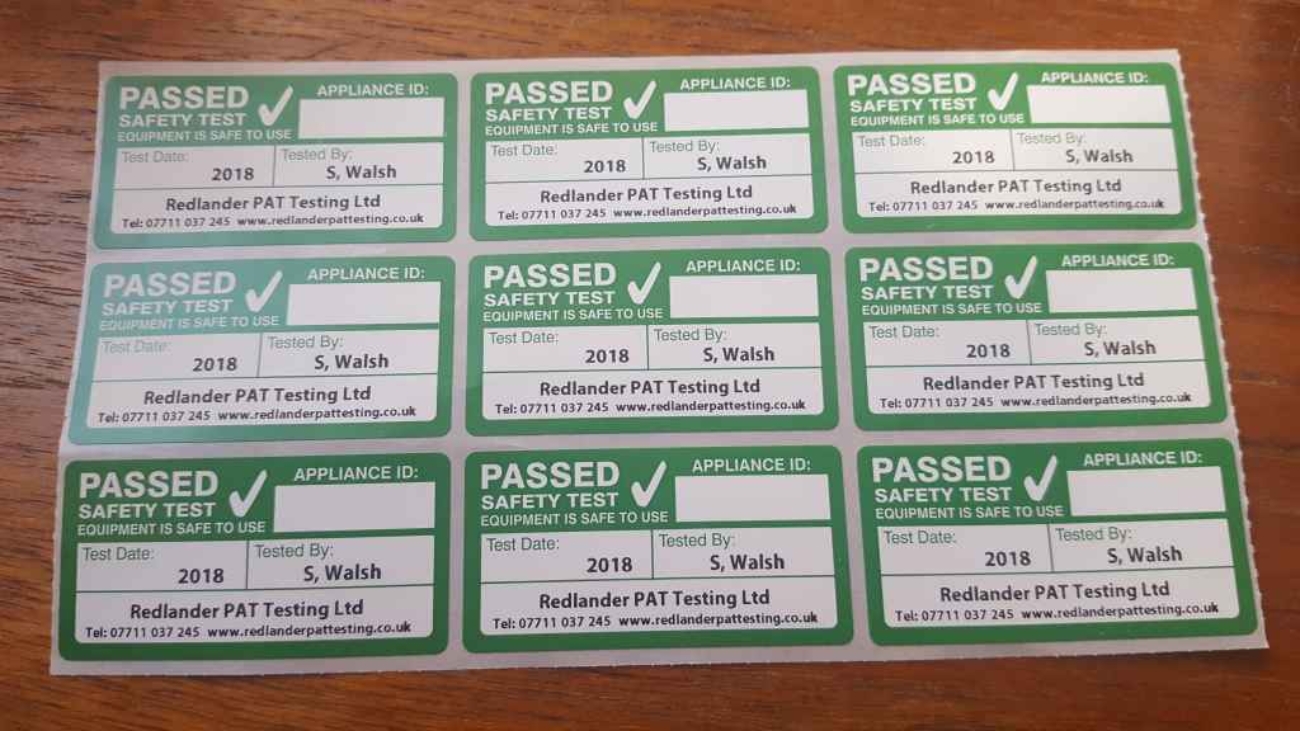
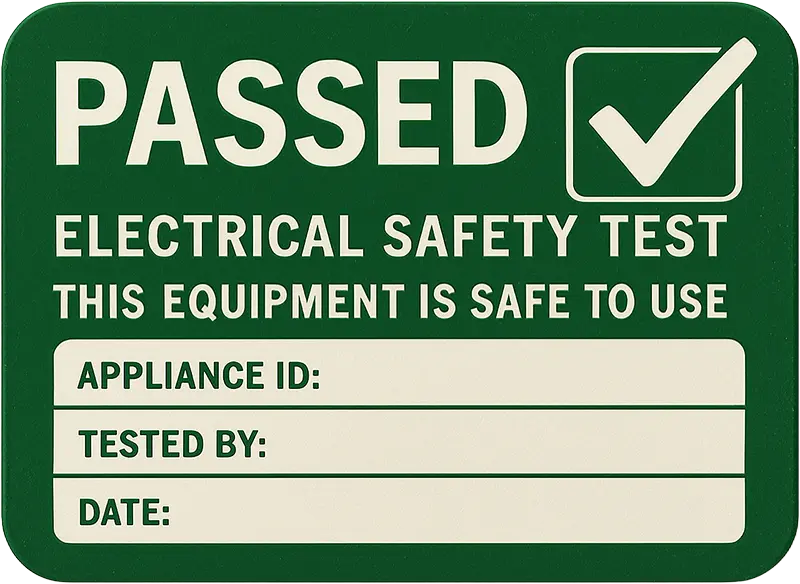
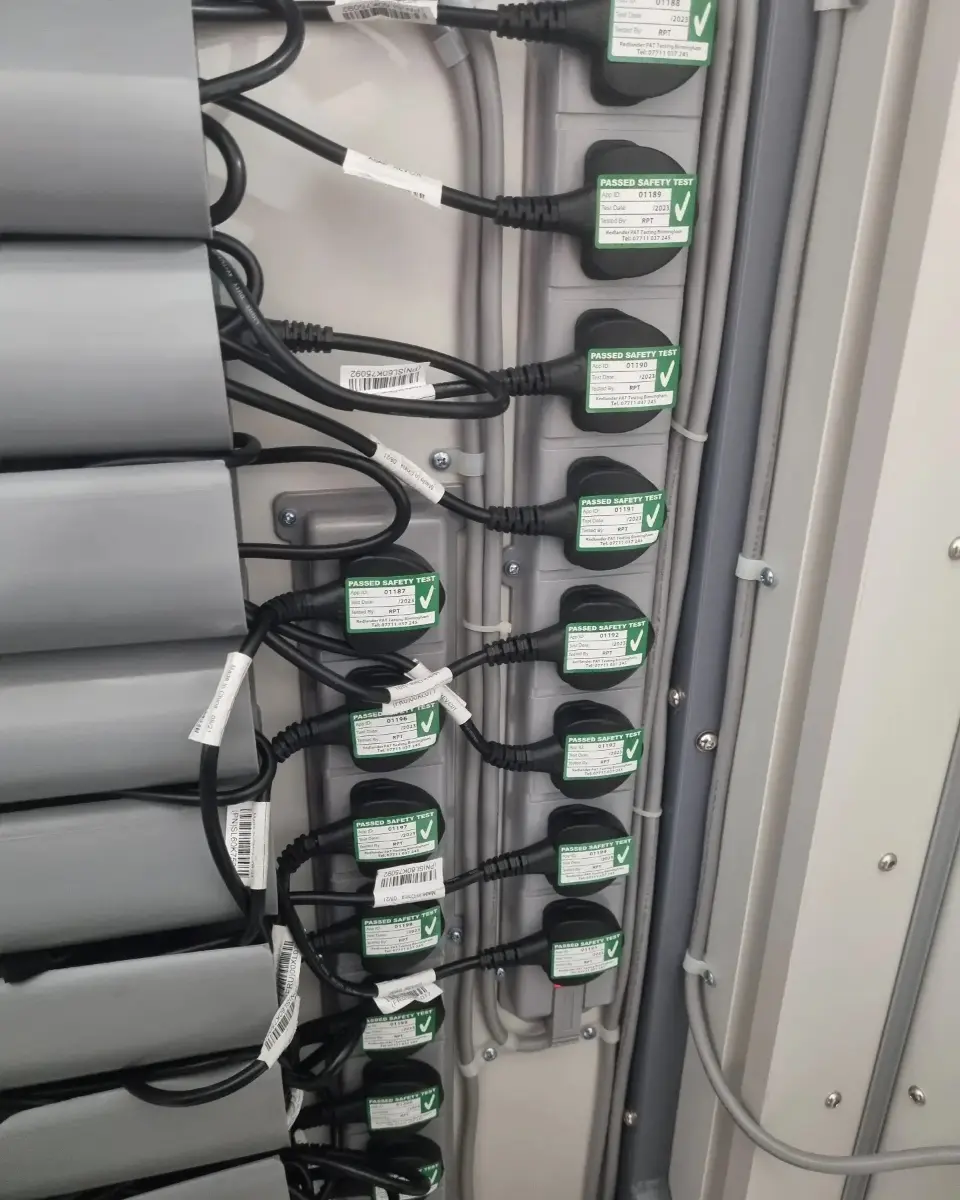
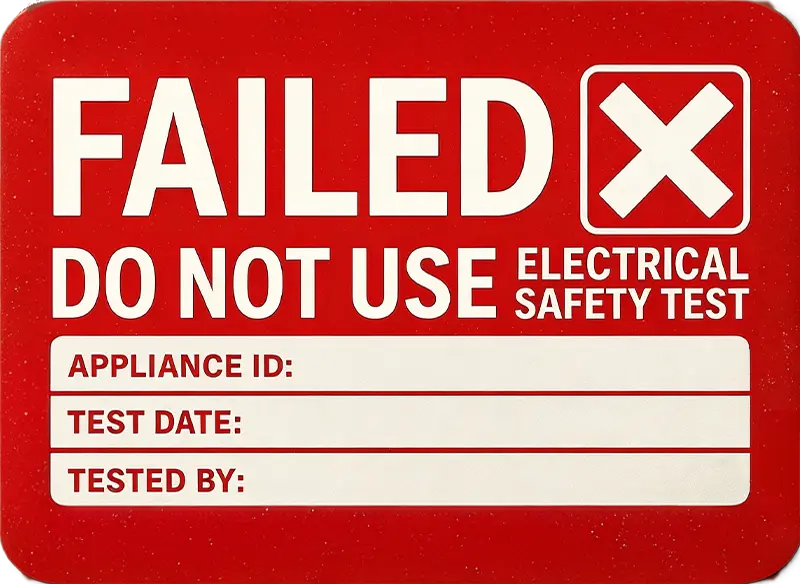
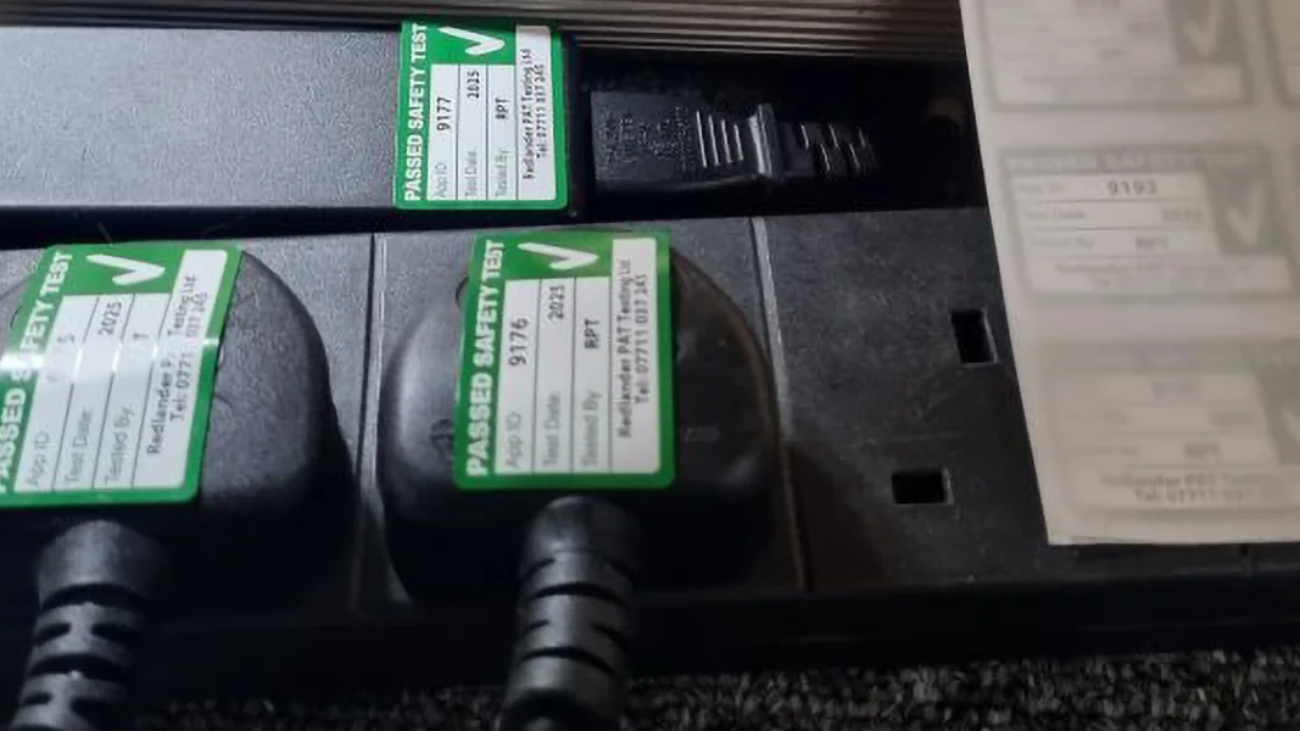
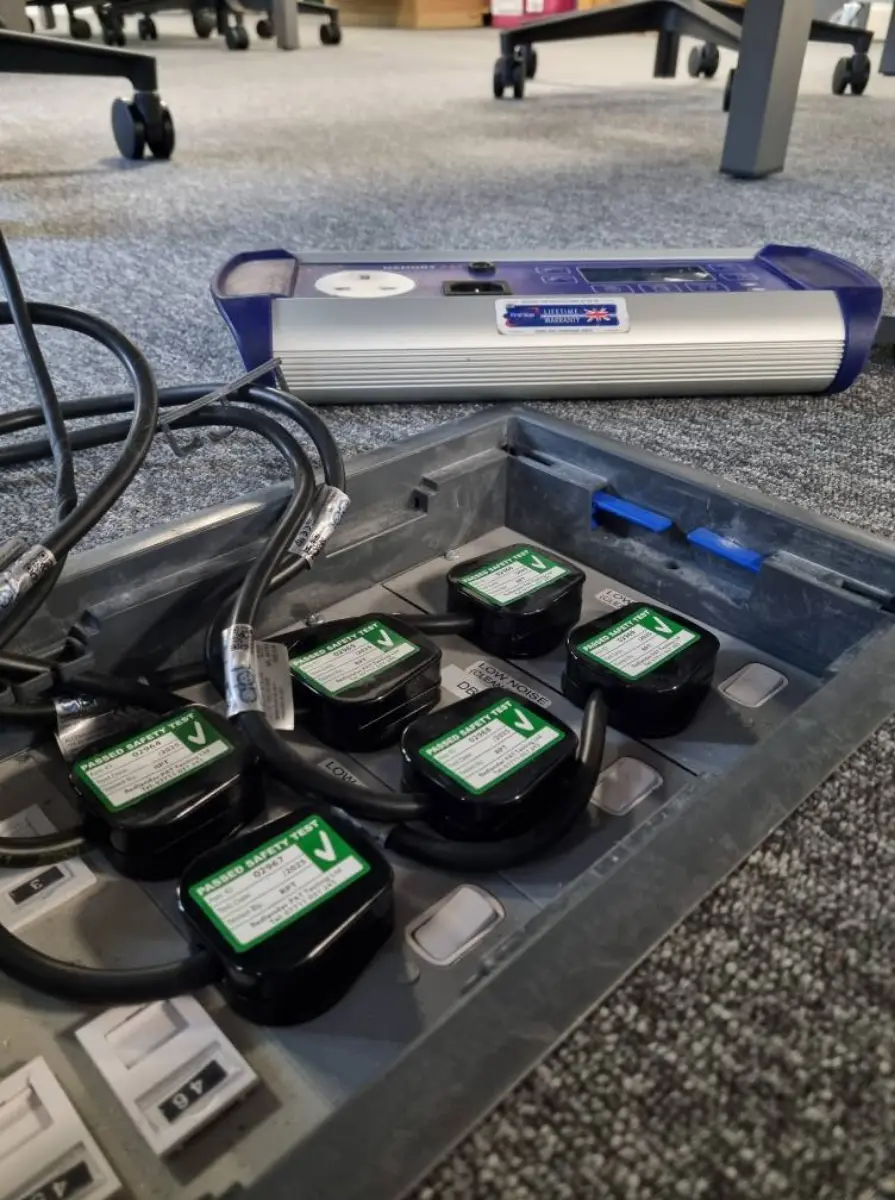
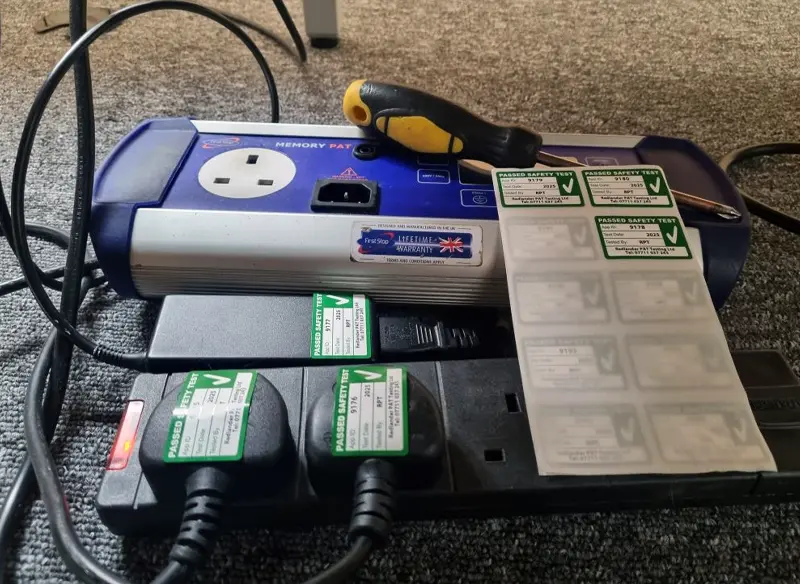
Each appliance is typically labelled after testing with either a “pass” or “fail” sticker. The sticker will include the test date, the result of that test, and the next test date. Documentation is properly maintained to track all appliances tested, their respective results, as well as any action(s) taken; this documentation is important for audit purposes, insurance needs, and to ensure compliance.

Low risk inspection and testing

PAT Testing Equipment and Tools

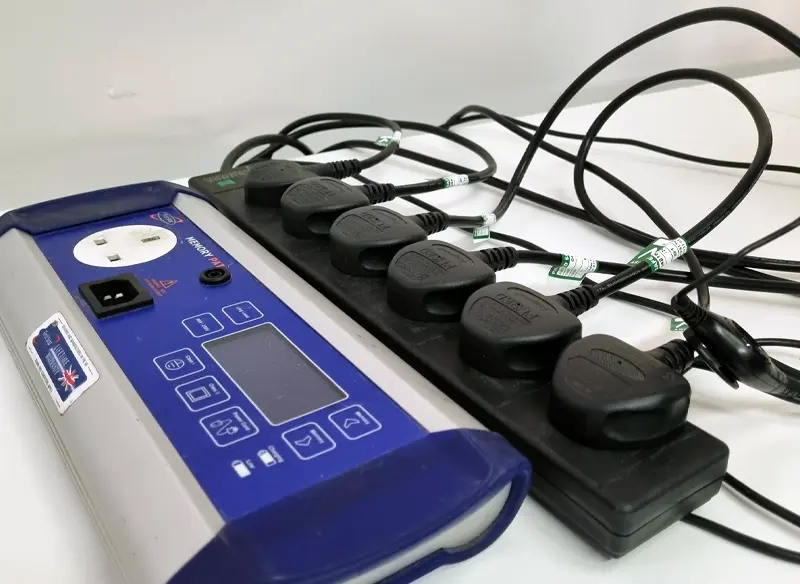
Portable Appliance Testers (PAT) are a type of specialised equipment used for Portable Appliance Testing. They are used to accurately and efficiently perform electrical tests on appliances and provide an element of safety when performing them.

A PAT tester allows engineers to:

  • Test the earth continuity
  • Carry out Insulation Resistance Tests
  • Detect Leakage Current
  • Verify Polarity & Functionality

Using the correct PAT testing equipment ensures reliable results and compliance with recognised standards.

Who Can Carry Out PAT Testing?

In the UK:

  • There is no legal requirement to hold a formal qualification
  • However, the person must have the knowledge and training to carry out inspection and testing safely

A competent person understands:

  • How electrical equipment works
  • How to use test instruments
  • How to interpret results

In practice, many professional PAT testers hold qualifications such as City & Guilds 2377. A company or organisation that relies on PAT testing for insurance purposes should almost always employ a professional PAT Testing company.

For high risk environments, it is always recommended to use a qualified and experienced PAT tester.

Is PAT Testing a Legal Requirement in the UK?

This is one of the most misunderstood areas.

There is no specific legal requirement that states PAT testing must be carried out.

However, UK law does require that electrical equipment be maintained safely.

Relevant regulations include:

  • Electricity at Work Regulations 1989
  • Health and Safety at Work Act 1974

The above regulations clearly state that there is a Duty Holder responsible for ensuring all electrical equipment does not present a Risk.

Therefore, while you are not required by Law to carry out PAT Testing, it is currently the most recognised method of demonstrating your Compliance with both the HSWA 1974 and EAWR 1989 Legislation.

👉 In simple terms:

You don’t legally have to PAT test – but you do have to ensure electrical equipment is safe.

Low risk inspection and testing

How Often Should PAT Testing Be Done?

Risk determines how often PAT testing is done.

Unlike routine maintenance schedules, there isn’t one set schedule; however, there are some general guidelines regarding the suggested frequency:

  • Low risk environments (offices) – every 1 year to 2 years
  • High risk environments (construction sites) – every 3 to 6 months

Factors that affect PAT testing frequency include:

  • Type of equipment
  • Frequency of use
  • Working environment

The type of equipment being tested, usage patterns, and the work environment will all have an impact on how often you should be doing PAT testing.

A good risk assessment from The HSE would take into account what your risk level is, as well as your own regular user inspections. This may allow less frequent electrical PAT testing in certain instances.

Appliance Classes Explained

Electrical appliances are divided into three classes:

Class I Appliances

  • An earth connection is necessary for these appliances.
  • Examples of Class I appliances consist of kettles and washers.
  • These appliances will require complete electrical testing.

Class II Appliances

  • Double insulated
  • Do not rely on an earth connection
  • Hair Dryers and Chargers are common examples of Class II appliances.

Class III Appliances

  • Low Voltage Operation.
  • Present minimal risk
  • Often only require visual inspection

Understanding appliance classes helps determine the type of testing required.

What Happens if Equipment Fails a PAT Test?

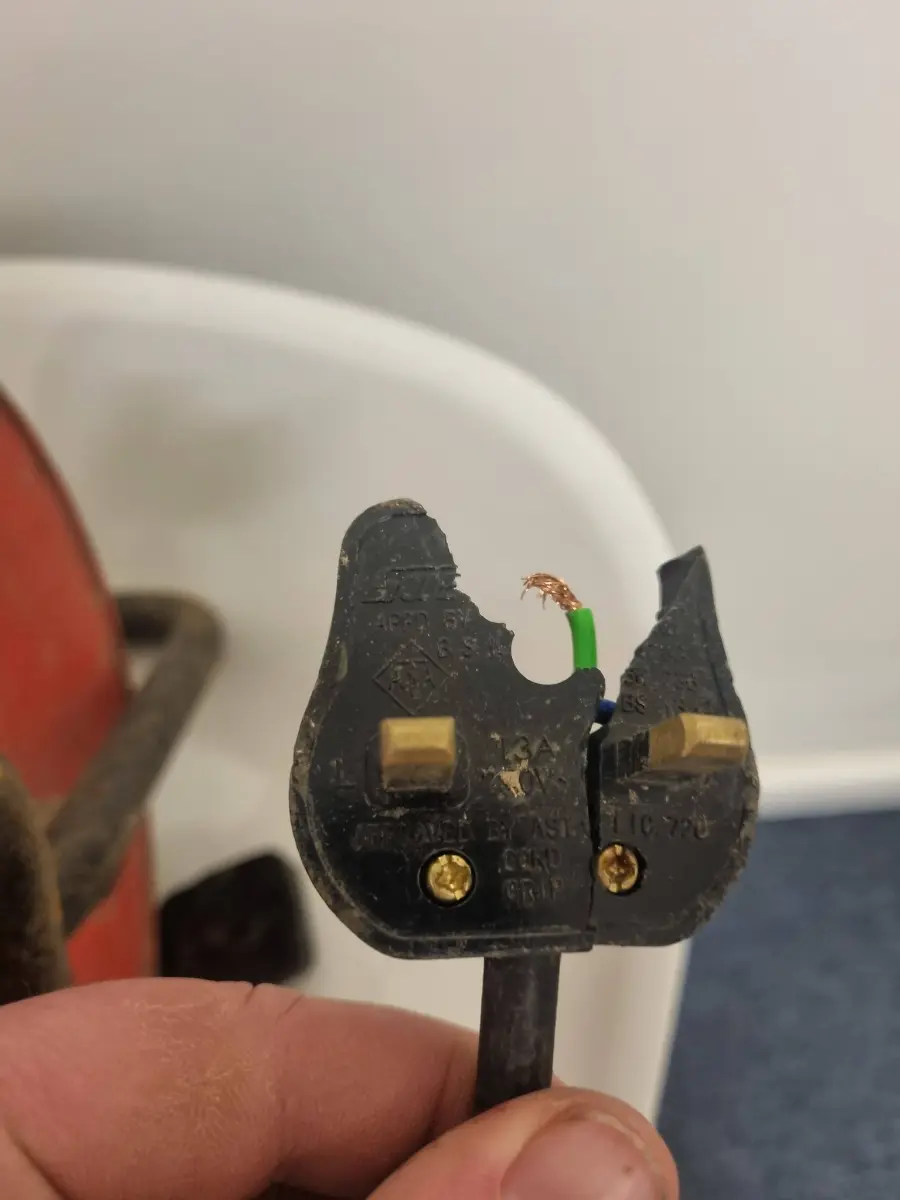
When appliances are tested and do not pass inspection standards, they are clearly identified as a failed appliance and removed from all use.

Some common issues with failed appliances are:

  • Damaged cables
  • Faulty plugs
  • Internal wiring faults

In many instances, these types of failure in an appliance can be easily fixed, so the appliance may then be retested for safe operation and returned to service.

Whereas if an appliance fails inspection due to unsafe repair conditions, it will need to be replaced.

The overall intent of this process is to prevent faulty equipment from being operated, which reduces potential hazards.

PAT Testing Reports & Certificates

Following testing, you will be given a document that outlines:

  • Appliances tested
  • Test results
  • Whether the appliances passed or failed their tests.
  • Next testing date

A PAT test certificate provides proof that an inspection and testing has taken place and supports compliance with health and safety requirements.

Good record keeping is important in case of audits, insurance and possible litigation.

Low risk inspection and testing

PAT Testing Cost – What to Expect

The PAT test cost depends on several factors:

  • Number of appliances tested
  • Type of equipment
  • Environment (high risk environment = more frequent testing = greater costs)

PAT testing is typically seen as an affordable way to meet health and safety obligations.

Maintaining Portable Appliances

Maintaining portable appliances is an ongoing process.

Regular Checks and Inspections

Maintenance includes:

  • Regular User Check (i.e., by the person using it)
  • Visual inspection (e.g., looking for damage)
  • Scheduled PAT Testing

When businesses maintain their portable electric equipment, they can:

  • Prolong the life of the equipment
  • Reduce the number of times the equipment breaks down; and,
  • Increase the overall safety of the equipment

Integrating PAT Testing Into Maintenance

PAT testing forms part of a wider electrical maintenance regime. Integrating PAT testing with other maintenance activities ensures that all portable appliances remain in safe working order and helps prevent unexpected failures.

Why PAT Testing is More Than Compliance

PAT Testing is not merely an exercise in compliance; it is an opportunity to:

  • Protect People from Electric Shock,
  • Prevent Fires,
  • Create Safe Working Environments and
  • Demonstrate to employees, customers, suppliers and other stakeholders, a company’s commitment to Safety and Professionalism.

Additionally, Regular PAT Testing demonstrates that you take your responsibilities for ensuring the safety of those who use equipment or machinery in your workplace very seriously.

Straightforward, Reliable PAT Testing

Redlander PAT Testing offers an uncomplicated and honest service.

  • All of our technicians have the necessary qualifications and competence to perform the task at hand
  • Our engineers will do all their work as per The IET Code of Practice
  • We aim to cause as little disruption to your business as possible
  • You will get very clear reports and certification from us

Let’s Get Started

If you’re unsure what needs testing or how often, we’re here to help. Get in touch today, and we’ll guide you through the process clearly and honestly.

Ensure your electrical equipment is safe, complies with regulations and has been properly documented.

PAT Testing FAQs

Is PAT testing a legal requirement?

PAT Testing is not a legal requirement in the United Kingdom. But it is a legal obligation of employers and/or landlords to prove that the electrical equipment they provide or manage is safe. The most common method of proving this is by using PAT (Portable Appliance Testing) on their equipment.

Who is responsible for PAT testing?

As with all other legal obligations, whoever is identified as the Duty Holder has the responsibilities. Most often, the Duty Holder will be:

  • Employer
  • Landlord
  • Business Owner

This means they must verify that all electrical equipment is safe and maintained properly.

Can I do PAT testing myself?

A Competent Person may carry out PAT Testing. A competent person doesn't necessarily mean a Qualified Electrician, but someone who has the necessary Knowledge and Training for the Safe Inspection and Testing of equipment.

What is included in a PAT test?

A PAT test includes:

  • User checks
  • Formal visual inspection
  • Electrical testing using a PAT tester
  • Labelling and reporting
How long does PAT testing take?

PAT tests are typically very short. Each appliance takes anywhere from several seconds to a couple of minutes, depending on its size, location and accessibility.

What happens if an appliance fails?

If an appliance fails:

  • It is labelled as failed
  • Removed from use
  • Repaired or replaced

This prevents faulty equipment from being used.

Do new appliances need PAT testing?

New appliances usually do not require full PAT testing immediately. However, a visual inspection should always be carried out before first use.

AVAILABLE THROUGHOUT THE MIDLANDS AND BEYOND

Group-56.svg
Group-4.png

GET IN TOUCH

Fill in the form below

Whirlpool Product Recall

Manufacturer Whirlpool has estimated that there are still at least 1 million faulty appliances still being used in homes throughout England, Scotland and Wales.

The faulty appliances are tumble dryers sold under brand names such as Indesit, Creda and Hotpoint.

It is these products that have been responsible for a number of house fires throughout the UK since 2012 and sadly have also caused a number of deaths and and a great number of people to lose their homes.

One method of checking if your electrical white goods are safe is to check if they are on the product recall list online. The link for Whirpool tumble dryers is below:

https://www.electricalsafetyfirst.org.uk/product-recalls/brands/whirlpool/

Alternatively you can free phone 0800 151 0905.

EMERGENCY PAT TESTING

Here at Redlander PAT Testing Ltd, we often get phone calls to say our PAT testing certificate has ran out and we need it doing as soon as possible can you help? The answer is yes! 

This might be because a business will go to renew their insurance or accreditation schemes such as CHAS and SafeContractor, only to find they have forgot to renew their PAT test certificate.

As a customer of Redlander PAT Testing you do not have to worry about forgetting to renew your PAT test certificate as we will get in touch with you a month before it is due to run out. This is to arrange a time and date to attend site and PAT test your items well in advance before your certificate expires.

Our engineers can work hours day or night to suit your business needs.

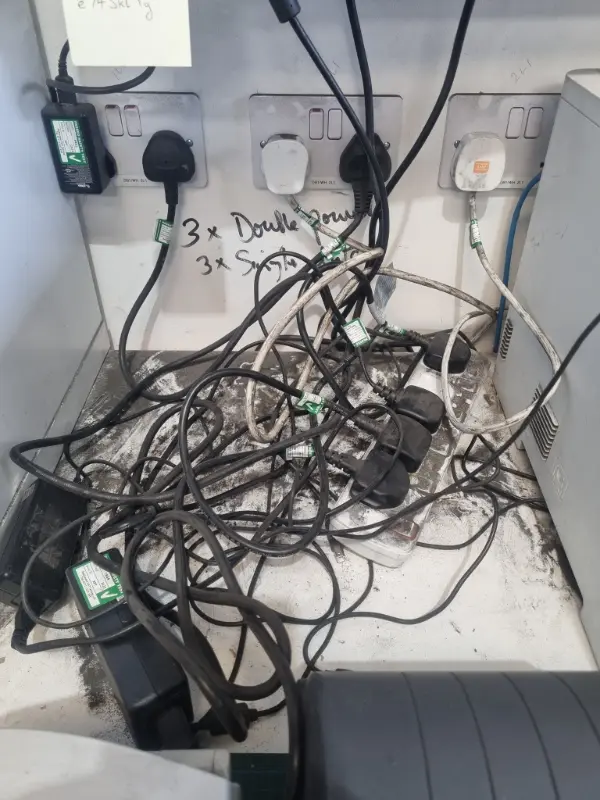
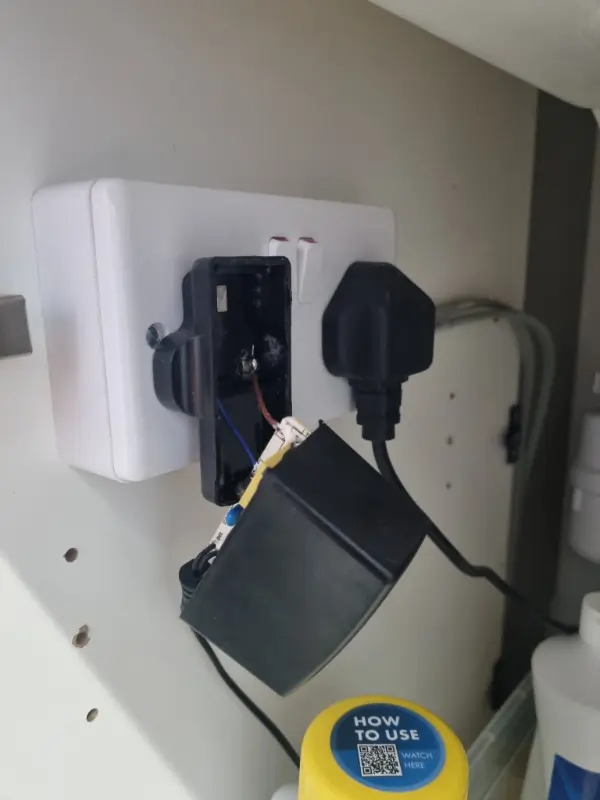
Another reason you may call us in an emergency is because a piece of electrical equipment has been found to have burn marks around the plug socket or on the appliance itself. The picture posted with this article is one that was took at an office just a few weeks ago. The three socket extension was underneath a desk and had been for years, and was only noticed because somebody had moved their desk.

PAT testing all electrical appliances at your business can be used as a preventative control measure for your fire risk assessment, and one of the first things an insurance investigator will look for should an incident occur at your business.

If you have any questions on PAT Testing, please read the other articles posted on this site or alternatively give us a call on 07711037245. We are happy to help you in any way we can.

ARE YOU A DJ?

Here at Redlander PAT Testing Ltd we get at least 5 enquiries a week to see if we test DJ equipment, usually in an emergency because the DJ has been informed by the hotel or premises where they are due to set up, won’t let them set up their equipment inside without an in date PAT test certificate.

Redlander PAT Testing Ltd engineers are highly experienced for testing DJ equipment as well as bands, choirs and stage performers.

Redlander PAT Testing Ltd charges £70 for a call out. This covers you for the first 50 items and also includes your equipment register, results and PAT test certificate. So don’t leave it to the last minute, give us a call on 07711037245. Our engineers can attend day or night and also at weekends.

A DAY IN THE LIFE OF A BIRMINGHAM PAT TESTER

I received an email mid January from a young woman at an insurance company based in Birmingham city centre. She was looking for a price quote to test around 150 items and my availability to carry it out.

I gave her a quote and also told her my availability, informing her that I am able to work outside office hours if necessary so as to cause less disruption to the office and their work.

It was agreed that I would attend site outside of office hours at 4PM.

It was the day before I was due to attend site, I was going through my normal pre-job routine checking the internet for any possible product recalls, going through my tool box to ensure everything was in place for the job the next day. Things like have I got enough pass labels, pens, adaptors. Is my PAT testing machine fully charged. Then I noticed my machine a Memory PAT Blu had a fault. Disaster!

The Bluetooth on the machine had malfunctioned and was permanently on. I rang Pass Ltd where I had bought the machine from. They told me it needed to come in for a repair. I was panicking as I had the job to do the next day but no machine. Pass Ltd very kindly offered me a replacement PAT testing machine free of charge, delivered it at 13:00 the next day via courier. This gave me a couple of hours to test the machine and work out how to use the software it came with etc.

It all worked fine so I checked the traffic status on Google Maps and set off for the job. The office had very kindly reserved me a parking space at the site so I parked there, but I was still too early so I decided to have a quick cuppa at Coffee#1 nearby which is situated just a stone throw away from the BT Tower on Lionel Street.

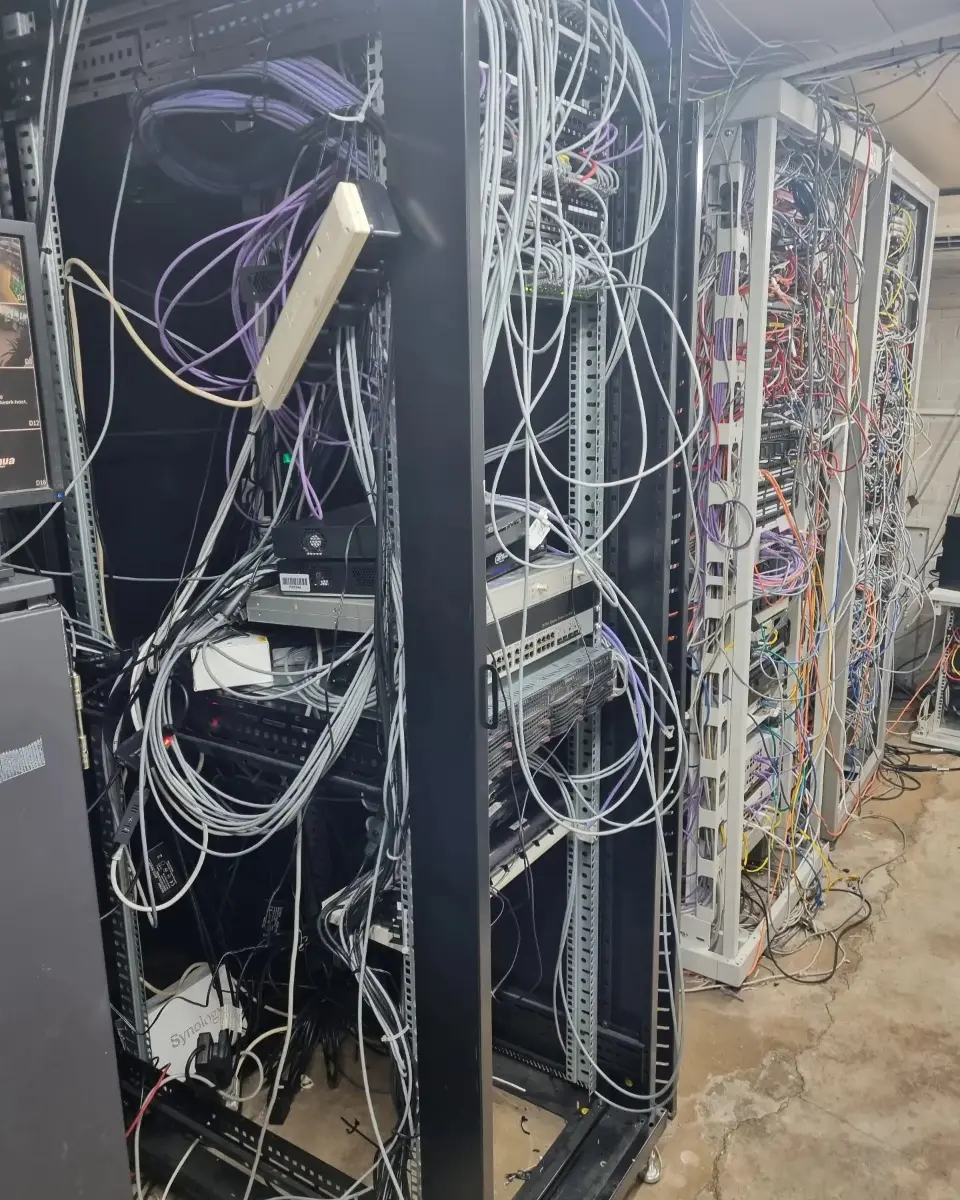
On arrival, I signed the visitor book and was shown around the office. Whilst walking around I am looking for a number of things such as what electrical equipment there is, how easy is it to access, are the wires tangled up like a snakes wedding. As a fully qualified health and safety expert I am also checking how safe the environment is, the condition of the equipment and the manner in which it is used. Are there lots of overloaded extension sockets etc.

I then asked about their workload and if there is a particular area they would like me to start first or leave until last. There wasn’t and so I had free reign to start where I liked. I decided to start in the conference room and work my way around the site in a clockwise fashion.

I tested over three hundred items, this took me about 5 hours to do. This is slower than it usually takes me to do that amount of items, but there was over 100 computers each had at least two monitors and I like to leave the customers desk how I find it as well as make all cables and leads nice and tidy.

The next day I sent the customer the invoice. Once payment was received I then sent the equipment register, test results and PAT test certificate along with advice on what to do with failed equipment and anything else I may have noticed such as overloaded sockets or extensions feeding other extensions.

PAT Testing does take me to some weird and wonderful places, and no job is the same. This is why I love my job so much.

Does the electrical appliances at your business need PAT testing? Give Redlander PAT Testing Ltd a call on 07711037245 or visit the website www.redlanderpattesting.co.uk for a free consultation and quote.

PAT TESTING FREQUENTLY ASKED QUESTIONS

Portable Appliance Testing is the examination and testing of electrical appliances and test equipment to ensure that they are safe to use. The process involves a visual inspection followed by a thorough test using a calibrated portable appliance testing machine by a competent person.

Portable Appliance Testing (PAT) is the best way to to show that you are complying with Health & Safety regulations including Management of Health & Safety Regulations 1992 and Working With Electricity Regulations 1999.

All employer’s that employ 5 or more people are required by law to carry out a risk assessment on all the hazards in their workplace, and detail the control measures to reduce the risk. Getting your business PAT tested is a control measure you can add to your fire risk assessment to show your electrical equipment has been professionally maintained, checked and tested.

Most insurance companies now require all business owners to have an in date PAT test certificate, as do accreditation companies such as CHAS, Achilles and SafeContractor. Business’s that are ISO registered should also have a valid PAT test certificate. Getting the electrical items PAT tested in your business should also significantly reduce your business insurance premiums.

This is down to the duty holder to decide in conjunction with their risk assesment. This varies depending on a number of things such as the frequency of use of the equipment and the environment in which it is being used.

For example, it is recommended that electrical tools used on a construction site are tested every three months, because they tend to be used frequently and operated outside in various weather conditions, whereas electrical equipment used infrequently and in warm dry conditions tends are recommended to be tested every 1-2 years.

Anybody can carry out PAT testing as long as they are competent to do so. Competent meaning having the ability, experience, knowledge, training, skill and resources to carry out the testing. All engineers at Redlander PAT Testing Ltd are highly trained and experienced as well as City & Guilds Level 3 2377 certified.

To put it simply, you do not need to keep records by law. However, keeping records is a proactive way of proving you are health and safety compliant. Once PAT testing is carried out at your business, Redlander PAT Testing Ltd will supply you with an equipment register, the results of the test’s carried out and a PAT test certificate. Our engineers will put a pass or fail label on each of your appliances and we will also advise you on best practices for keeping your electrical equipment safe.

Aldi Product Recall

PRODUCT RECALL

ALDI PRODUCT RECALL?

The Ambriano Mini Fryer sold at Aldi stores hass been recalled due to a potential electrical fault.

Customers who have bought this product are advised to not use it and to return it to your local Aldi store where you will get a full refund.

Further information can be obtained from the link below:

https://www.liverpoolecho.co.uk/whats-on/shopping/ikea-aldi-lidl-primark-recall-14429207

Wilko Euro To UK 2 Pin Converter

It is very important to make sure that when you buy electrical items of any nature, they have the “CE” mark on them or the packaging. This is the declaration that the product satisfies the requirements of the Electrical Equipment (Safety) Regulations 1994.

Wilko have recently executed a product recall for their Euro to UK 2 pin converter, Item Code 03430736 because some of the components within the converter have failed to meet the above safety standards. More details can be found using the following link:

http://corporate.wilko.com/_pdfs/recall/0011933.pdf

There is usually at least one of these in every UK home, ready to be used for holidays or travel. Redlander PAT Testing Ltd urges you to check the quality of your products, always buy from a reputable company and do not buy cheap imitation products.

PAT Testing For Landlords

PAT Testing For Landlords

Landlords & PAT Testing

Portable Appliance Testing (PAT) is the best way to to show that you are complying with Health & Safety regulations including The Housing Act 2004 and The Electrical Equipment (Safety) 1994.

If you rent out a property such as a house, flat, caravan, boat or bedsit, and there are electrical appliances included as part of the tenancy agreement, then you as the landlord are legally obliged to ensure that the electrical appliances supplied are safe to use in accordance with the regulation stated above. This includes items such kettles, cookers and toasters which sometimes comes standard with rented properties.

Redlander PAT Testing Ltd can PAT test all items in your rented property for just £25 pounds per property (Subject to location). This will include equipment register with full pass or fail results, PAT test certificate, free minor repairs and free advice on how to improve electrical safety in your property.

Having an in date PAT test certificate should help to reduce your insurance premiums too!

Contact Redlander PAT Testing Ltd on 07711037245 or visit www.redlanderpattesting.co.uk

PAT TESTING FOR YOUR BUSINESS

PAT TESTING FOR YOUR BUSINESS

WHY SHOULD YOUR BUSINESS GET PAT TESTED?

Portable Appliance Testing (PAT) is the best way to to show that you are complying with Health & Safety regulations including Management of Health & Safety Regulations 1992 and Working With Electricity Regulations 1999.

All employer’s that employ 5 or more people are required by law to carry out a risk assessment on all the hazards in their workplace, and detail the control measures to reduce the risk. Getting your business PAT tested is a control measure you can add to your fire risk assessment to show your electrical equipment has been professionally maintained, checked and tested.

Most insurance companies now require all business owners to have an in date PAT test certificate, as do accreditation companies such as CHAS, Achilles and SafeContractor. Business’s that are ISO registered should also have a valid PAT test certificate. Getting the electrical items PAT tested in your business should also significantly reduce your business insurance premiums.

You can find out more on PAT testing and Health & Safety by following this link http://www.hse.gov.uk/pubns/indg236.htm