
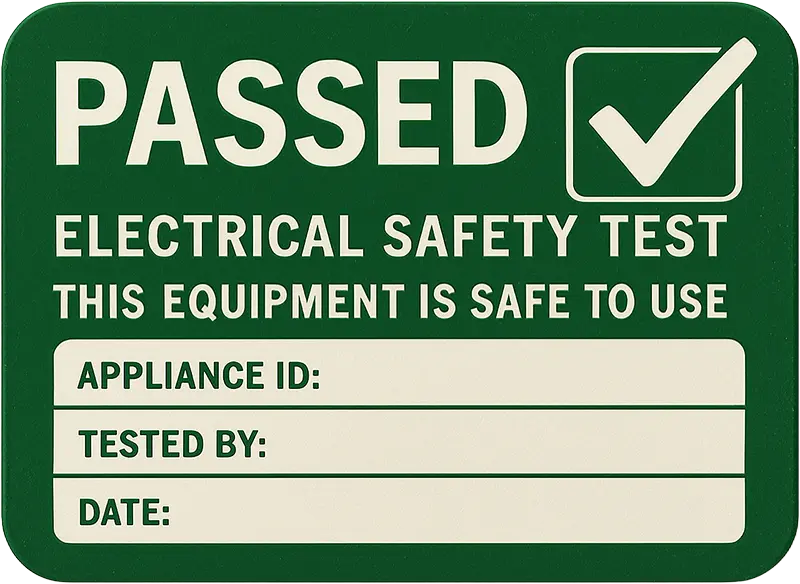
If you manage a workplace, run a business, or let out property, this is one of the most important questions around PAT testing to understand properly.
So, is PAT testing a legal requirement in the UK?
The short answer is no – PAT testing is not a specific legal requirement by name under UK law. However, UK law requires that all electrical equipment and electrical appliances be properly maintained to prevent danger.
That distinction is important.
PAT testing is not written into law directly. Still, it is widely used as the most practical way to meet your electrical safety obligations.
Key Takeaways
- PAT testing is not a legal requirement in the UK
- There is an obligation under law to maintain the safe use of electrical equipment.
- Although PAT testing has become a commonly accepted way to demonstrate compliance with obligations under law, there is no specific law that makes PAT testing obligatory.
- Testing frequency should be based on risk assessments.
- Using regular PAT testing can help avoid electrical accidents.
What Does “PAT Testing a Legal Requirement” Actually Mean?
Generally, when someone searches for “is PAT testing a legal obligation”, they want to know what the law is looking for.
The reality is simple:
- No law specifically requires PAT testing
- Some laws require electrical safety
However, the responsibility behind PAT testing for electrical safety absolutely is.
The Legal Position – What UK Law Actually Says
Several major health and safety legislation applies as follows:
- Electricity at Work Regulations 1989 – Electrical Systems are to be maintained so that no danger exists
- Health and Safety at Work Act 1974 – Employers have a Duty to Provide a Safe Working Environment
- Management of Health and Safety at Work Regulations 1999 – Requires Risk Assessments
These will collectively impose a clear legal obligation.
👉 You must ensure electrical equipment is safe, properly maintained, and does not present a safety risk.
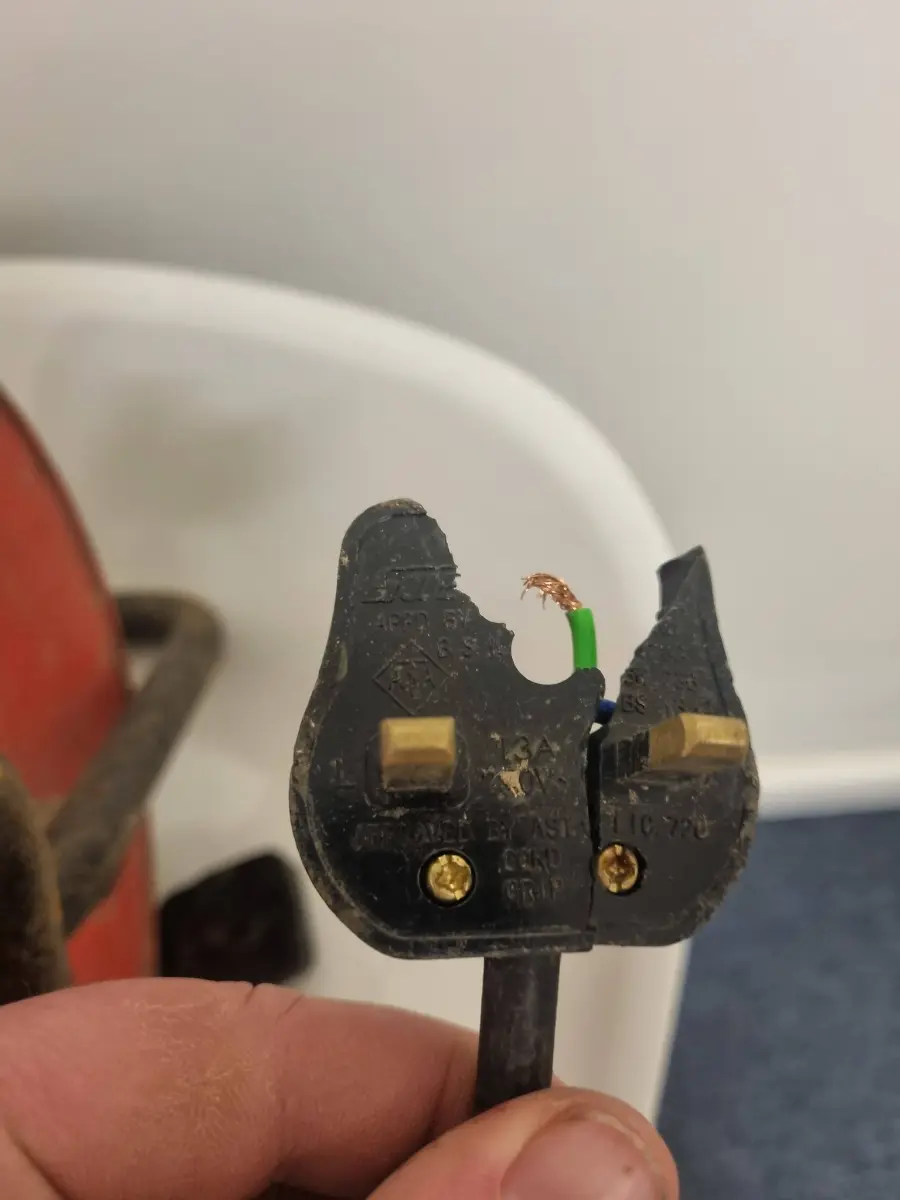
So Is PAT Testing a Legal Requirement?
Let’s answer this clearly.
- PAT testing is not a legal requirement in the UK.
- But ensuring electrical equipment is safe is a legal requirement.
PAT testing is simply the most common way to demonstrate this.
Click here: What is PAT Testing? to find out more about PAT Testing as a whole.
HSE PAT Testing Requirements Explained
A risk-based approach is promoted by the HSE. This means inspection and testing should depend on:
- Type of electrical equipment used
- How frequently the equipment is used
- Where the equipment is used (construction site vs office, etc.)
- Past test results
Visual inspections in low risk environments may be sufficient.
More frequent testing in high-risk environments is required.
People Also Ask
Do I legally need PAT testing for my business?
No, there is no legal requirement to get your business PAT tested. All businesses must ensure their electrical equipment is safe. PAT testing is the most widely used method of demonstrating this.
What happens if I don't PAT test my equipment?
If your electrical equipment fails to meet maintenance requirements and subsequently contributes to an accident, then there could potentially be a case made against you in law, your insurance claim may be denied, and you may breach your health and safety responsibilities.
Is PAT testing required every year?
PAT testing of electrical equipment is not legally mandatory on an annual basis; however, it will depend upon your specific risk assessment of the equipment, its type, and use or exposure.
Does HSE require PAT testing?
HSE has indicated that while PAT testing is one method to ensure safe operation of electrical equipment, they have not mandated that PAT testing must be conducted. They do expect that all electrical equipment will be maintained so as to prevent hazards.
Can I be fined for not PAT testing?
While failing to comply with PAT testing regulations is not punishable by fines alone, if your failure to properly maintain electrical safety results in harm to another person, you may incur significant financial penalties.
Do Businesses Need PAT Testing?
Not every business needs the same level of testing.
However, every business must:
- Maintain electrical equipment
- Ensure safety compliance
- Prevent electrical hazards
PAT testing helps achieve all of this in a structured and documented way.
Why PAT Testing Is Still Widely Used
PAT testing remains common because it is practical.
It includes:
- Visual inspections
- Formal visual inspection
- Electrical tests using a PAT tester
- Recording test results
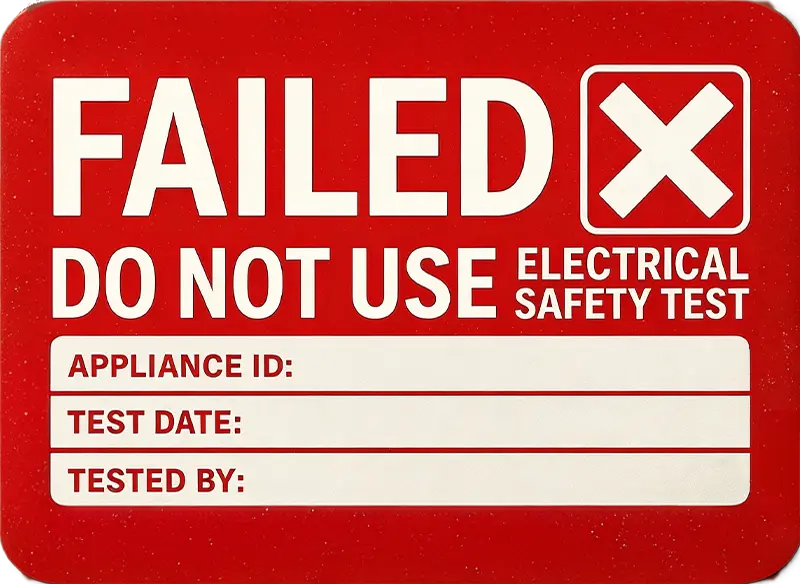
- Identifying faulty equipment
This helps detect electrical faults early and reduce risk.
PAT testing helps prevent:
- Electrical accidents
- Electric shock
- Electrical fires
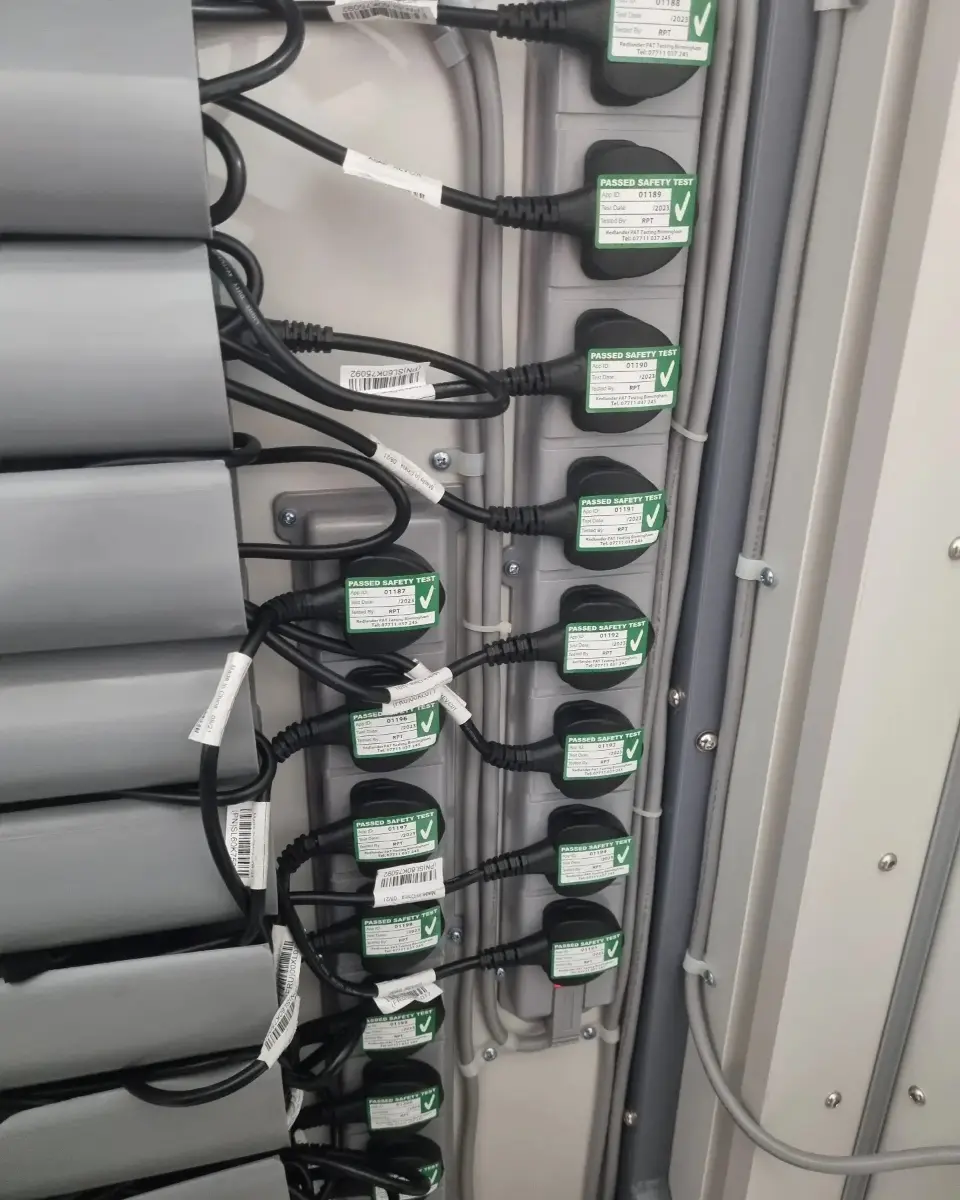
How PAT Testing Helps Prevent Electrical Accidents
PAT testing helps identify electrical defects before they become dangerous.
It helps to:
- Detect faulty wiring and damaged cables
- Reduce the risk of electrical fires
- Prevent electric shock
- Identify faulty equipment early
Faulty appliances are a major cause of workplace incidents. Regular PAT testing helps reduce that risk significantly.
Who Is Responsible?
Responsibility sits with the duty holder.
This is usually:
- Employer
- Landlord
- Business owner
They must ensure all electrical equipment provided is safe and properly maintained.
Do You Need a Qualified Electrician?
No.
PAT testing must be carried out by a competent person, not necessarily a qualified electrician.
Competence means:
- Having the right knowledge
- Understanding testing procedures
- Being able to interpret test results

Competence and PAT Testing
A competent person should know:
- The PAT testing guidelines;
- electrical safety regulations;
- How to visually inspect electrical appliances;
- and how to test electrical appliances using various test methods;
It is advisable that a competent person complete training before performing a PAT test so that the testing process can be done safely as well as correctly.
PAT Testing and Landlord Responsibilities
The landlord has a legal responsibility for the health, safety and welfare of tenants. There are two relevant Acts:
- Landlord and Tenant Act 1985
- Electrical Safety Standards in the Private Rented Sector (England) Regulations 2020
All electrical equipment that landlords provide must be safe when it is given to the tenant, and it will continue to be safe.
In the UK, PAT testing is often used by landlords as proof that their equipment meets these requirements.
How Often Should PAT Testing Be Done?
There is no fixed legal schedule.
PAT testing frequency should be based on risk assessments.
PAT Testing Frequency Explained
- Frequency of testing in low-risk environments (less frequent)
- Frequency of testing in high-risk environments (more frequent)
- Testing at construction sites can be very frequent
As a general guide:
- Class I appliances – every 1–2 years
- Visual inspections – more frequently
- Harsh environments – more frequent testing
Regular visual inspections between PAT tests are essential.
Why Regular PAT Testing Matters
Regular PAT testing helps:
- Maintain electrical safety
- Extend equipment lifespan
- Prevent costly failures
- Ensure compliance
It also demonstrates that equipment is regularly inspected and properly maintained.
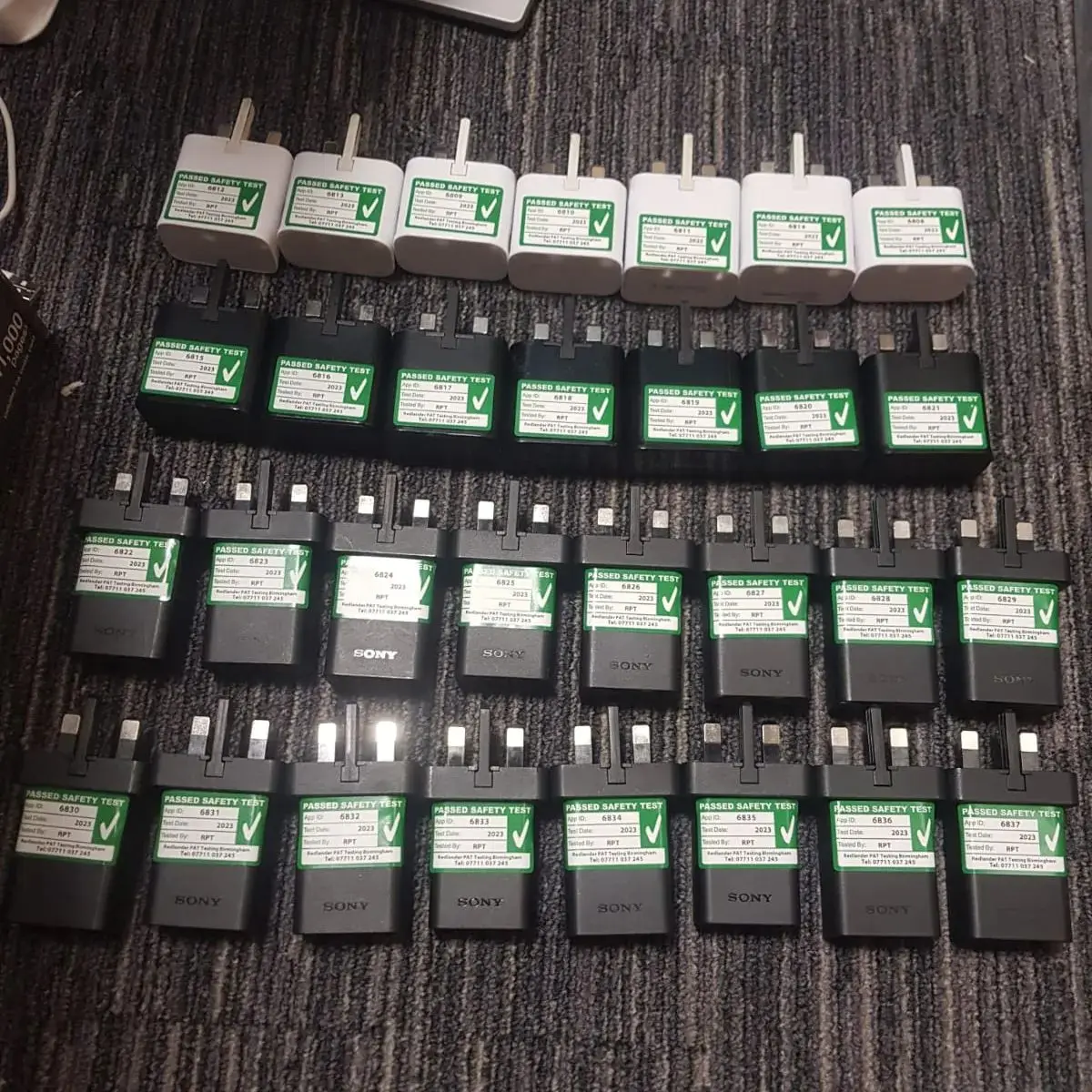
What Happens If You Do Nothing?
Failing to maintain equipment increases risk.
This can lead to:
- Electrical hazards
- Electrical safety defects
- Legal issues
- Increased safety risk
Without records or test results, proving due diligence becomes difficult.
The Common Myth Around PAT Testing Law UK
Many believe PAT testing is legally required every year.
This is incorrect.
The law requires safety, not a specific testing schedule.
The Practical Answer for Businesses
- PAT testing is not a legal requirement
- Electrical safety is a legal requirement
- PAT testing is the easiest way to demonstrate compliance
- Higher risk means more frequent testing
Final Answer
So, is PAT testing a legal requirement in the UK?
No.
But maintaining electrical equipment safely is.
PAT testing is the most widely recognised way to meet that responsibility.
Straightforward, Practical PAT Testing
At Redlander PAT Testing, we keep things simple.
- Competent, experienced PAT testers
- Testing carried out in line with recognised guidance
- Clear records and test results
- Minimal disruption
- Transparent pricing
No jargon. Just straightforward electrical safety.
Get Advice
If you’re unsure what applies to your business, we’ll guide you clearly.
Get in touch today and make sure your electrical equipment is safe, compliant, and properly maintained.
AVAILABLE THROUGHOUT THE MIDLANDS AND BEYOND
- Birmingham
- Bromsgrove
- Cheltenham
- Coventry
- Dudley
- Gloucester
- Gloucestershire
- Herefordshire
- Kidderminster
- Nuneaton
- Redditch
- Solihull
- Staffordshire
- Stroud
- Tewkesbury


GET IN TOUCH
Fill in the form below