

Compliance Management is a continuous process – it’s not something you do once and then forget about. Regular audits, inspections, and accurate record keeping are vital when managing your electrical safety. Having a compliance management process in place means you can better schedule and organise inspections and maintenance of multiple systems. You’re less likely to miss something and spring into panic mode when it’s time to get audited.
This quick checklist will help you stay on top of your electrical safety, keep your staff, customers and visitors safe and ensure you meet your legal obligations under health and safety law. They also form part of your wider compliance obligations and help maintain smooth business operations.
Introduction to Electrical Safety
Ensuring electrical safety at work is important for every business operating in the UK. It’s crucial your business has appropriate measures in place to provide a safe and healthy electrical environment for your staff, customers and visitors. Good electrical safety management requires you to effectively identify and control potential electrical hazards. These can include equipment, systems and electrical installations.
Every business in the UK has a responsibility to ensure their electrical systems are inspected and tested regularly. They should also make sure any equipment is maintained in a safe working condition. Regular electrical testing and inspections should form part of your ongoing maintenance to manage risks from electrical systems and follow best practice.
1. Keep an Up-to-Date Appliance Register
Keeping an equipment register will enable you to record:
- What equipment is available
- How much equipment is available
- Where the equipment is located on site
- Who owns the equipment (business or not e.g. contractors equipment) or if it is only temporarily at your site
- Other information about the equipment if it’s often moved e.g. PAT testing dates or instruments/equipment
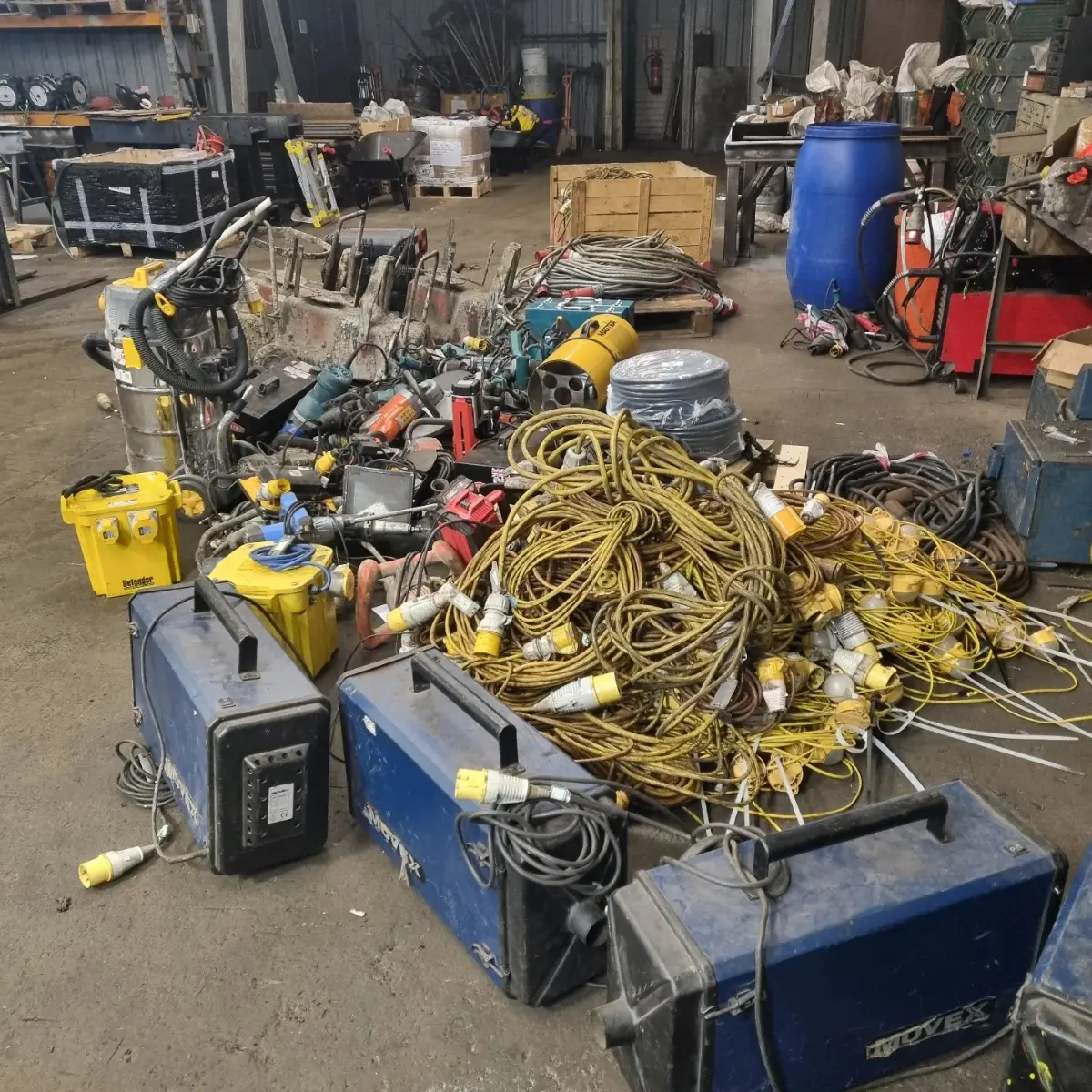
An equipment register will help your managers stay organised and allow for easier booking in of equipment for visual inspections and testing as well as helping you with any compliance audits. Include portable appliances and construction tools on the register so PAT testing schedules cover all items.
2. Arrange PAT Testing Where Appropriate
Ensuring electrical items are maintained in good working order is the responsibility of the employer. This is required under the Electricity at Work Regulations 1989 and can be adhered to by regular PAT testing.
PAT testing should be done regularly dependent on:
- Type of appliance (equipment)
- Rate of usage
- Environments used in
- Risk Assessments
Click here for more details on PAT testing in Birmingham.
PAT testing and portable appliance testing help demonstrate safety compliance and provide clear PAT test results for audits.
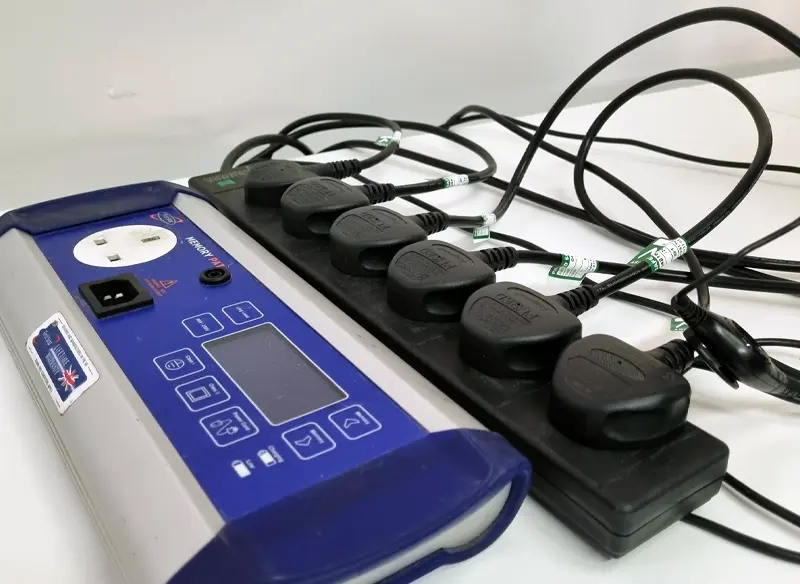
3. Check Extension Leads and Multi-Socket Adaptors
Extension leads and multi-socket adaptors can pose specific dangers that need to be taken into account. Check routinely for:
- Cut cords, frayed wires or cracked plugs
- Signs of overloaded circuits such as warm plugs or sockets. Too many plugs in one socket can cause overheating, or even fires.
- Adaptors or extension leads plugged into each other
- Trip hazards caused by trailing cables
- Extension leads should not be treated as permanent equipment.
Damaged or overloaded extension leads should be replaced promptly to avoid risks from fires and electricity. Because overloaded circuits can affect fuse boxes and consumer units, regularly check your fuse boxes should also be part of your electrical safety routine.
4. Carry Out Regular Visual Checks
Routine visual inspections can serve as an excellent way to detect electrical safety hazards before they even become hazards. You should check:
- damaged plugs, loose cables
- exposed wires, burn marks on appliances/equipment
- cracks, broken casings
- appliances that become hot during normal operation
- warning signs that something just isn’t right (humming noises, flickering lights, warning labels that say the appliance should be taken out of service)
If anything looks suspicious, the equipment should immediately be taken out of service and reported. Routine visual inspections can reveal common problems before they become bigger safety issues. Routine visual inspections frequently identify common problems, which can then be followed up with formal testing or an electrical inspection.
5. Manage Staff Room and Kitchen Appliances
Shared appliances such as kettles, microwaves, toasters, fridges and coffee machines all require care. You should:
- Clean appliances regularly to prevent damage and contamination.
- Check for wear and tear or defects.
- Ensure all staff are trained on how to use the appliances safely.
Appliances get lots of use so can become hazards if not maintained.
6. Pay Attention to Higher-Risk Areas
Specific industries and types of property have specialised testing regimes to meet equipment and working requirements. Annual testing regimes are advised/enforced in places of public occupancy or commercial environments. Landlords are required to have EICR inspections every 5 years. Depending on Risk Categories, more frequent inspections may be required in high-risk areas. Having work completed when electrical defects are highlighted on reports enables you to stay compliant and limit operational downtime.
PAT Testing and Risk Assessments are carried out to manage the risk present within these environments.
Professional EICR services carry out EICR testing on fixed wiring, and construction tools and power tools should also be included in testing regimes.
7. Keep Failed Item Reports and Repair Decisions Clear
When equipment does not pass a test or visual inspection, it’s important that your records reflect:
- Which equipment failed
- Actions taken (taken out of service, repaired)
- Decisions made about replacement and timing
- Notified responsible parties/groups
Thorough records allow for management to review processes and ensure no unsafe equipment remains in operation. Documentation of failed equipment and repair decisions also comes into play with safety compliance so you can stay up to code and operating within legal guidelines. Clear records of failed items support compliance and ongoing safety compliance reviews.
8. Review Your Electrical Safety Process Regularly
One review won’t cut it when it comes to electrical safety. Check your checklist and update your procedures if:
- you buy new equipment
- you take on new employees / or employees change roles
- you move offices/repair/remodel your property
- if you use seasonal appliances
- your business grows or changes processes
This way you can ensure you stay on top of things and your procedures reflect best practice. Following the BS 7671 Wiring Regulations will help you ensure electrical safety in the workplace, but electrical inspections and reviews are an ongoing process that will help you stay compliant for years to come. Consider different approaches for small and large premises and ensure work is carried out by qualified electricians.
Fire Alarms and Emergency Lighting
Fire alarms and emergency lighting are an essential part of electric safety at work. As part of The Fire Safety Order 2005 you will need to carry out a fire risk assessment and take precautions against fire.
This includes making sure that fire alarms and emergency lighting are correctly installed and are regularly tested and maintained. Fire alarm testing and emergency lighting testing should be scheduled as part of your regular inspections to meet Fire Safety Order requirements.
Conclusion
An electrical safety checklist doesn’t need to be long-winded. In fact, having one can help business owners in Birmingham stay organised, avoid unnecessary risks and keep their workplaces safe. By using this checklist, you can stay on top of your legal responsibilities under the Health and Safety at Work Act 1974 and the Electricity at Work Regulations 1989.
It ensures you’re fulfilling your responsibilities for maintaining safe electrical equipment in the workplace. This means you’re far less likely to fall into accidental non-compliance which can lead to fines, trouble with insurance companies or even prosecution. Here’s what you should include in your electrical safety procedures: visual inspections, PAT Testing, risk assessments and record keeping.
Regular electrical testing and inspections reduce downtime, support day-to-day business operations and help businesses stay compliant.
If you need any help or advice regarding your electrical safety procedures, get in touch with Redlander PAT Testing for affordable portable appliance testing. We’re happy to offer flexible appointments to better fit in with your business. We can also advise on EICR services, electrical testing and PAT testing.

FAQ
Frequently Asked Questions
Common questions about electrical safety certificates, EICR testing, fixed wiring checks and safe working practices for landlords, businesses and managed premises.
Is a 5 year electrical test a legal requirement?
EICRs test fixed wiring installations. They are commonly recommended at around five-yearly intervals, although this may be more or less frequent depending on the level of risk and the type of premises. They are not a legal requirement for every business, but landlords may have specific obligations around periodic inspection and testing under relevant electrical safety regulations.
What are the five golden rules for electrical safety?
The five golden rules for electrical safety are to switch appliances off before inspection, avoid touching live parts, use appropriate PPE, isolate circuits before work begins and ensure circuits are correctly labelled.
Is it a legal requirement to have an electrical safety certificate?
You do not necessarily need an electrical safety certificate in every situation. However, landlords and many businesses obtain certificates such as EICRs or PAT test reports to help demonstrate that they are meeting health and safety responsibilities, insurance requirements and wider electrical safety standards.
Can you do an EICR without 2391?
City & Guilds 2391 is an industry-recognised qualification for professionals carrying out Electrical Installation Condition Reports. EICR testing should be completed by a competent person with the relevant electrical qualifications, training and experience to inspect and test fixed wiring safely.
Contact Redlander PAT Testing
Keep your school’s electrical appliances safe with professional PAT testing from Redlander PAT Testing. Contact us today for straightforward advice and dependable service, designed with Birmingham schools and educational establishments in mind.
For Birmingham PAT testing, contact us or use the form below to book your PAT testing service.
AVAILABLE THROUGHOUT THE MIDLANDS AND BEYOND
- Birmingham
- Bromsgrove
- Cheltenham
- Coventry
- Dudley
- Gloucester
- Gloucestershire
- Herefordshire
- Kidderminster
- Nuneaton
- Redditch
- Solihull
- Staffordshire
- Stroud
- Tewkesbury


GET IN TOUCH
Fill in the form below