

PAT testing in schools and education buildings helps keep students, employees, and visitors safe from potentially hazardous electrical appliances and devices. At Redlander PAT Testing Birmingham, we provide PAT testing for Birmingham schools and education buildings to ensure your portable appliance testing is thorough and up to date.
What Is PAT Testing?
PAT testing (Portable Appliance Testing) is the checking of electrical appliances before they are used to ensure they are safe. It is a combination of a visual check plus electrical testing of the appliance to spot any underlying faults within the equipment that could affect electrical safety.
Why Is PAT Testing Important in Schools?
Educational establishments such as schools and colleges, and other places of learning, rely on various appliances and electrical equipment every day to keep the activities running smoothly. This equipment can range from computers to kitchen appliances to power tools, vending machines, and emergency lighting.
PAT testing can help detect faults in portable appliances before they occur. It can save you money by avoiding costly downtime, electrical mishaps, and fires.
Although this guide focuses on schools, PAT testing is equally important in nurseries, colleges and universities.
Regular testing shows that you meet electrical health and safety standards. It also proves you responsibly safeguard your staff, visitors, and students from electric shocks.
These records can also be used to show insurers and auditors that you take a responsible approach to risk management.
Is PAT Testing a Legal Requirement in Schools?
PAT testing is not a legal requirement. However, schools are legally responsible for providing safe electrical equipment in accordance with the health and safety legislation they must adhere to. This includes The Electricity at Work Regulations 1989 and The Health and Safety at Work Act 1974. Schools can demonstrate that they are complying with these electrical safety duties by carrying out regular PAT testing and keeping records of the inspections and testing that have been carried out.
Who Requires PAT Testing in Education Settings?
PAT testing should be carried out on all portable electrical appliances used in schools and educational establishments. This comprises:
- Class 1 electrical equipment & Class 2 electrical equipment
- Handheld electrical equipment, including hairdryers and vacuum cleaners
- Kitchen appliances, for example, kettles and microwaves
- Office equipment such as computers, monitors, printers, and photocopiers
- Power tools and 110V equipment, where relevant
- Emergency lighting
- Vending machines
Portable appliances that are solely powered by batteries, such as laptops, do not need PAT testing. Chargers will still need to be PAT tested.
Understanding the PAT Testing Process
PAT testing generally consists of the following stages:
Visual Inspection
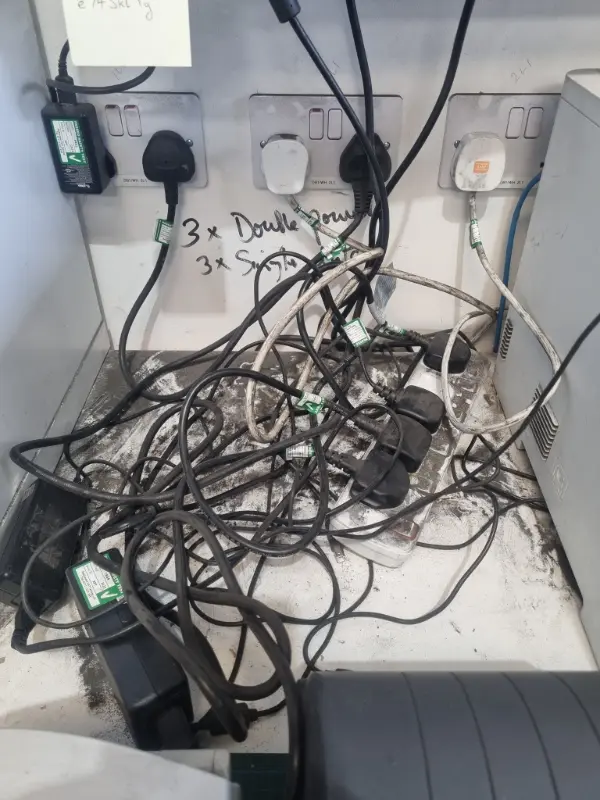
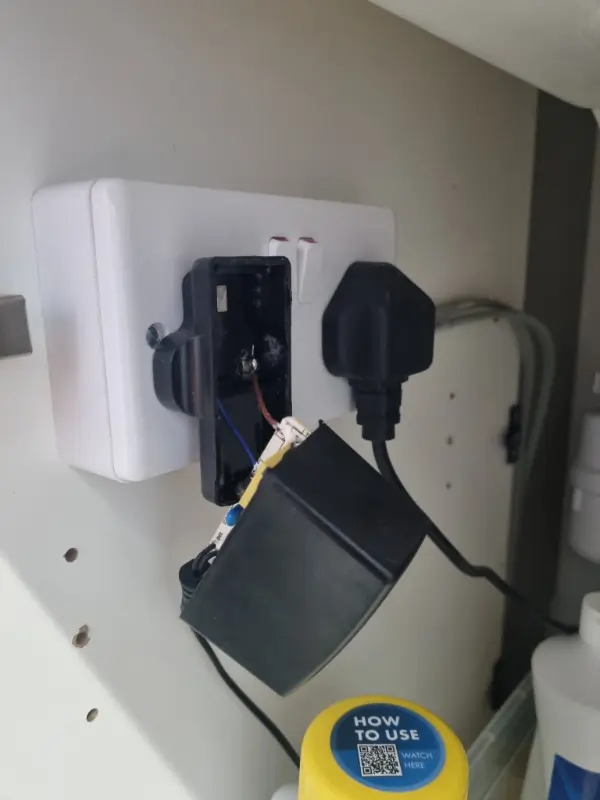
PAT testers visually inspect the appliance, plug, and extension leads (if used). Test inspectors will check for obvious damage to the appliance’s power supply unit, including cracked plugs, loose pins, or cables that are damaged or severely frayed.
Electrical Testing
After visually inspecting the appliance, several electrical tests will be performed using test equipment that has been calibrated. These tests can include:
- Earth continuity testing – Checks that the appliance is earthed correctly and effectively.
- Insulation resistance testing – Checks that there is enough insulation to prevent leaking current.
- Polarity testing – Checks that live, neutral, and earth are connected where they should be.
These are just some of the tests that will be completed to ensure appliances are working correctly.
Labelling and Certification
Once testing has been completed, the appliance should be marked with the outcome of the test and the date. You should be issued a PAT test certificate/report, which details the results of the test. This acts as evidence of inspection and can be used as part of your compliance documentation.
How Often Should Schools Require PAT Testing?
PAT testing frequency in schools
Portable appliance testing frequency can vary depending on the equipment used and the risk assessment carried out by the school. There are no specific laws stating how often PAT testing should take place, only that schools follow a risk based approach.
One example of how regular PAT testing might be applied would be the PAT testing frequency of often moved items that see frequent use, such as kettles. These might be tested more frequently than, say, photocopier machines that don’t get moved around.
However, general rules of thumb for PAT testing frequency can be:
- Six months
- One year
- Two years
Benefits of Professional PAT Testing Services in Birmingham Schools
PAT Testing for Schools provides you:
- Comprehensive testing: Visual inspection and electrical testing, as part of portable appliance testing, are undertaken by PAT testers looking for faults.
- Helping you stay compliant: With copies of all documentation and PAT test certificates, you can prove you are following health and safety regulations.
- Limited disruption: PAT testing can be booked at times to suit you, meaning as little interruption to your school as possible.
- On-the-spot repairs: Where possible, PAT testing companies will carry out minor repairs such as fixing plugs or replacing fuses. This means that your appliances stay safe to use whilst you wait.
- Tailored Testing: Frequencies and schedules can be adapted to suit your school and the individual risks within.
This proactive approach also helps boost customer satisfaction.
Common Electrical Appliances Tested in Schools
- Computers, printers & desktop computers
- Kettles, microwaves, and other kitchen appliances
- Vacuum cleaners and hairdryers
- Photocopiers and vending machines
- Extension leads and power drills are used for school maintenance
- Emergency lighting and other electrical safety equipment
Maintaining Electrical Safety in Schools
Ensuring electrical safety is an ongoing duty. Risk assessments in schools will highlight where there may be electrical dangers with equipment. PAT Testing allows for a period of inspection and testing to guarantee that appliances are safe to use.
Portable appliance testing and regular PAT testing help spot faults before they become bigger problems. Carrying out visual inspections between PAT testing visits could spot faults before they become bigger problems. This stops electrical accidents from happening and avoids expensive shutdowns.
What Does Birmingham PAT Testing by Redlander Include?
PAT testing by Redlander for Schools in Birmingham and other education establishments includes:
- Visual checks of electrical equipment and leads
- PAT Testing of appliances for earth continuity check, insulation resistance test, and polarity check
- Labelling of appliances following the electrical test and issue of PAT test certificates
- Reporting
- Any minor repairs to plug tops and fuse replacements are required.
- Appointment times can be organised to suit your requirements.
How to Arrange PAT Testing for your School, College or University?
As a school or educational institution in Birmingham, keeping your electrical appliances safe and properly tested is a top priority. That’s where we at Redlander PAT Testing can help with our fully trained, reliable PAT testing services with clear advice and competitive prices.
We specialise in Birmingham PAT testing. A competent person should carry out inspections.
Complete the enquiry form below or call us today for a personalised quote and no obligation chat about your individual portable appliance testing requirements. We will happily walk you through the PAT testing process and ensure your school stays a safe place for those who work and attend.
FAQ
Frequently Asked Questions About PAT Testing in Schools
Common questions about PAT testing in schools, including testing frequency, appliance checks, reporting, failed appliances and how testing can be arranged with minimal disruption.
Is PAT testing a legal requirement in schools?
PAT testing is not a legal requirement in itself. However, it is recognised as one way that schools can demonstrate they are meeting their legal responsibilities for electrical safety under health and safety regulations.
How often should you PAT test electrical equipment in schools?
Testing frequency will vary depending on the outcome of risk assessments. Factors such as the type of appliance, its condition, how often it is used and where it is used should all be considered. Testing may range from six-monthly checks to every two years, depending on each school’s circumstances.
What types of tests are included in PAT testing?
PAT testing starts with a visual inspection. If the appliance is safe to test, electrical checks may then be carried out, such as earth continuity testing, insulation resistance testing and polarity testing, to help confirm the appliance is safe and working correctly.
Do all electrical appliances in schools require PAT testing?
Plug-in portable electrical appliances used in schools should be considered for PAT testing. This can include kitchen appliances, office equipment, classroom equipment and power tools. Battery-powered devices do not usually need PAT testing, but if they have a mains charger, the charger should be tested.
Can PAT testing help prevent electrical fires in schools?
PAT testing can help identify damaged, unsafe or defective electrical equipment that may increase the risk of electrical faults or fire. By finding issues early, schools can take action before appliances are used again.
What qualifications do PAT testers have?
PAT testers should have suitable training, experience and knowledge to carry out inspections and electrical tests safely. Many PAT testers work in line with the IET Code of Practice and may hold recognised PAT testing qualifications, such as City & Guilds 2377-22.
Are minor repairs included in PAT testing services?
Minor repairs can often be completed as part of a PAT testing visit, such as replacing damaged plug tops or fuses. This can save time and help reduce the need to arrange a separate contractor for small remedial items.
How do schools benefit from detailed PAT testing reports?
PAT testing reports and certificates provide written records showing which appliances have been checked, whether they passed or failed, and any action taken. These records can support insurance assessments, risk assessments and wider health and safety management.
Can PAT testing be scheduled outside of school hours?
Yes. PAT testing can be arranged at suitable times to help minimise disruption to the school day, including outside normal teaching hours where required.
What happens if an appliance fails the PAT test?
If an appliance fails, it will be clearly labelled as faulty and should not be used until it has been repaired or replaced. Your tester will advise what action needs to be taken.
Contact Redlander PAT Testing
Keep your school’s electrical appliances safe with professional PAT testing from Redlander PAT Testing. Contact us today for straightforward advice and dependable service, designed with Birmingham schools and educational establishments in mind.
For Birmingham PAT testing, contact us or use the form below to book your PAT testing service.
AVAILABLE THROUGHOUT THE MIDLANDS AND BEYOND
- Birmingham
- Bromsgrove
- Cheltenham
- Coventry
- Dudley
- Gloucester
- Gloucestershire
- Herefordshire
- Kidderminster
- Nuneaton
- Redditch
- Solihull
- Staffordshire
- Stroud
- Tewkesbury


GET IN TOUCH
Fill in the form below